 This site's show
Guides
Language
EnglishCurrency
US dollar · $GetYourGuide shows prices in the currency you choose.
Guide · Nightlife words
Japanese cabaret clubs and cabaret shows: not the same night
Japanese cabaret clubs are hostess bars where you pay for company and drinks. A dance cabaret is a theater with a stage. Here is how to tell them apart before you go out.
Check availabilityfrom $49 · free cancellation possible
Editorial team, japanesecabaret.comUpdated October 5, 2026Read time: 6 min8 sources
The short version
- 01Cabaret club
- A kyabakura is a club where hostesses chat and flirt with guests.1
- 02Regulation
- These clubs fall under stricter rules than the small snack bars.1
- 03Dance cabaret
- At Asakusa Kaguwa you watch oiran, geisha and samurai on a stage.2
- 04Who it suits
- The theater show is non-verbal and made for young and old alike.3
- 05Street touts
- Tokyo police warn that touts in Kabukicho can lead you to rip-off places.4
One English word, very different evenings
Japanese cabaret clubs are a common source of confusion for anyone searching for a cabaret night in Tokyo. In English, cabaret calls up a stage, a band, dancers and an audience at small tables. In Japan the same word, shortened into kyabakura, names a kind of bar where the entertainment sits next to you on the sofa. The two share a word and very little else, so it pays to know which one you are walking into.
A kyabakura is staffed by hostesses who talk with the guests, pour their drinks and flirt with them, and it is regulated more strictly than a snack bar.1 Nobody performs for a room. Your evening is the conversation at your own table, and what you pay depends on the club's own terms. It is an adult setting built around paid attention, and it is not a show in any theatrical sense.
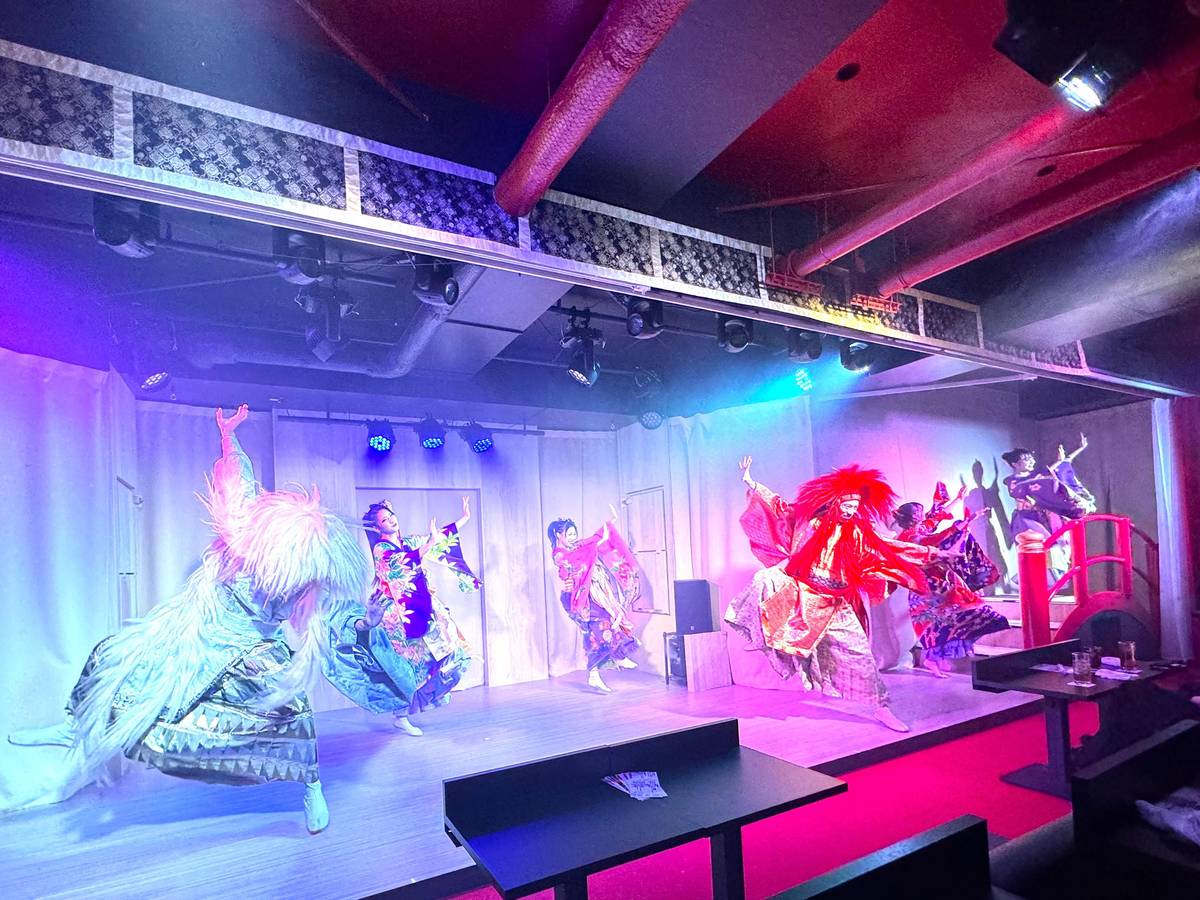
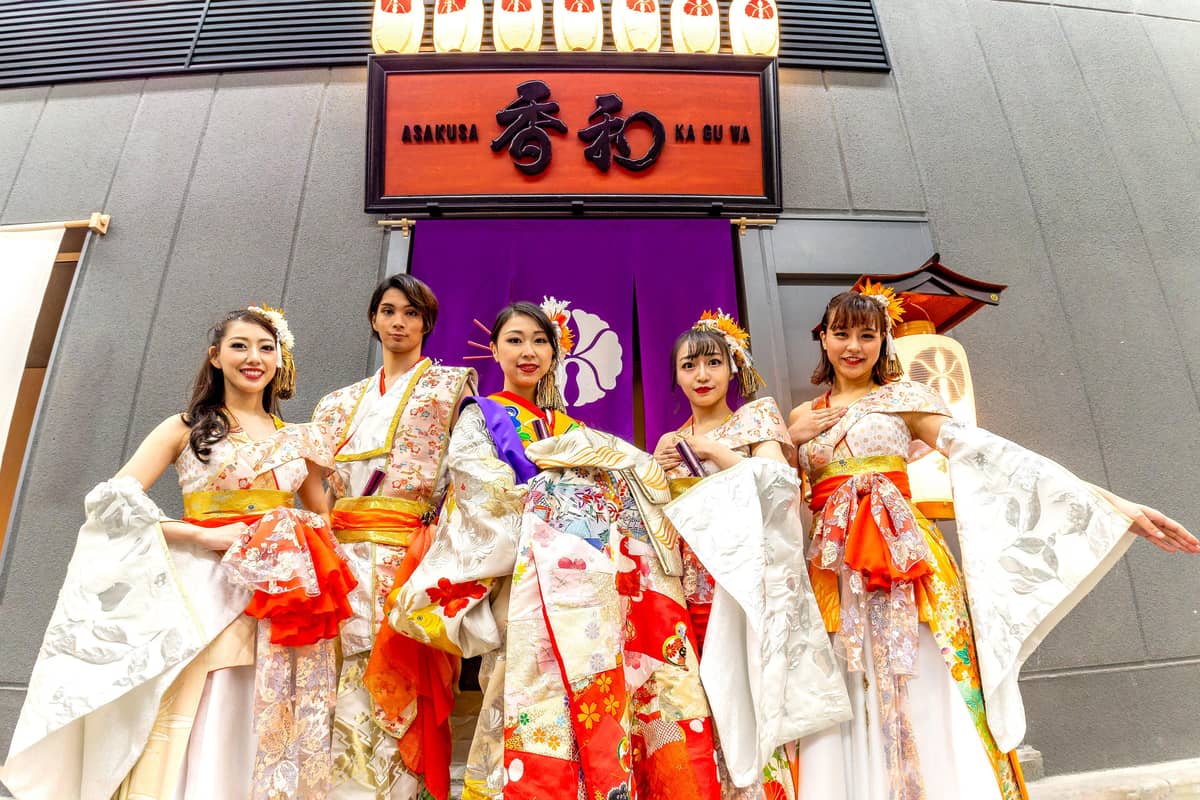
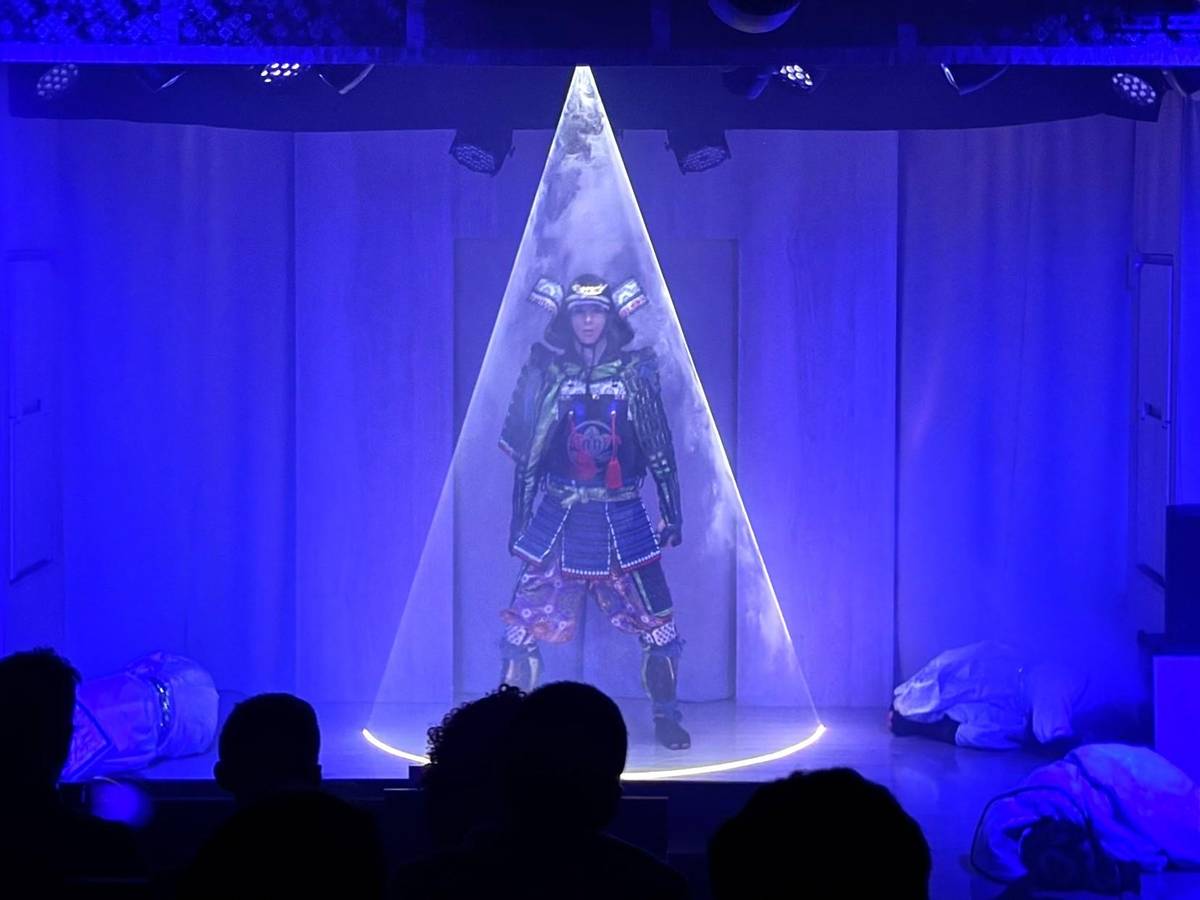
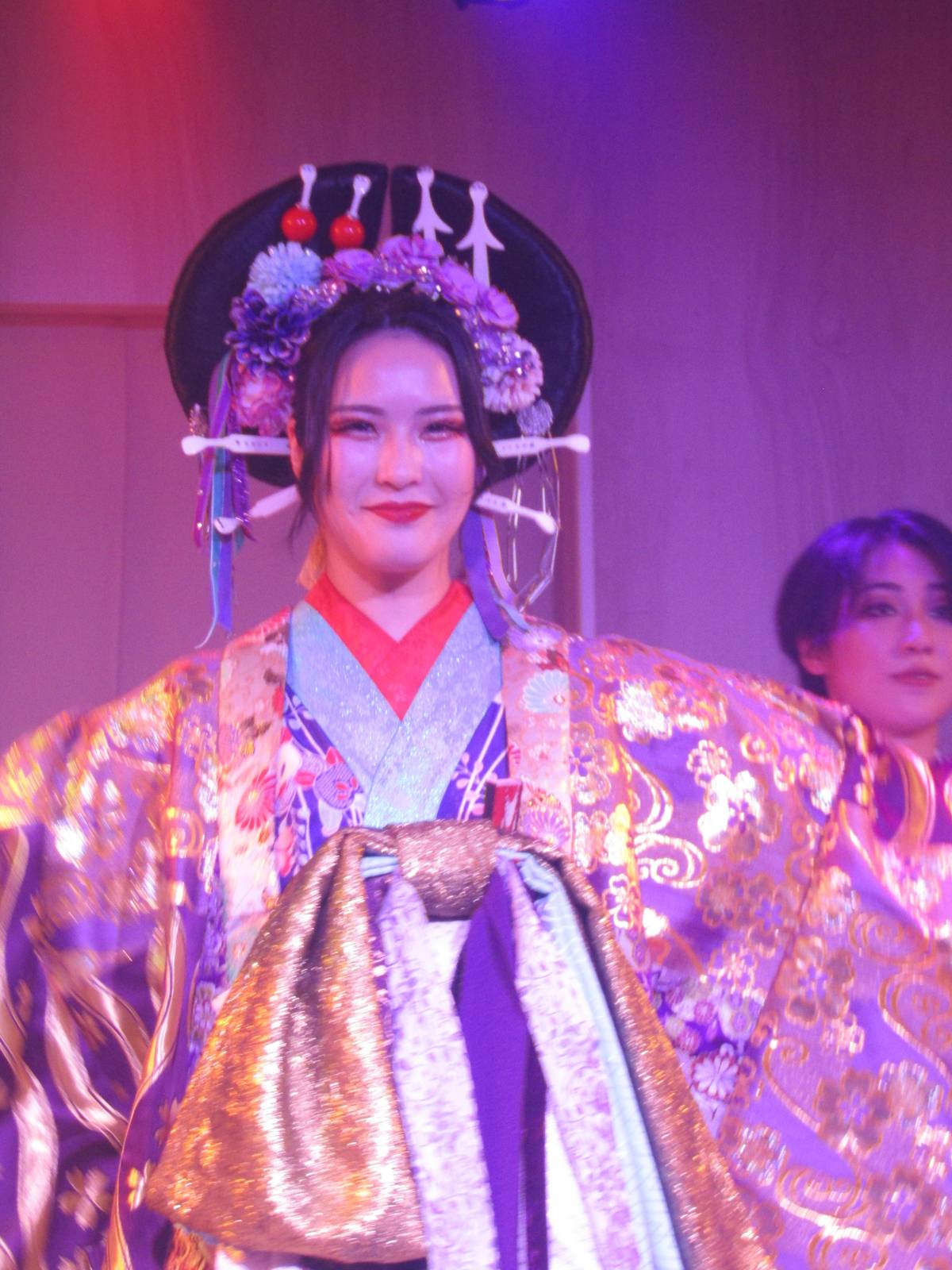
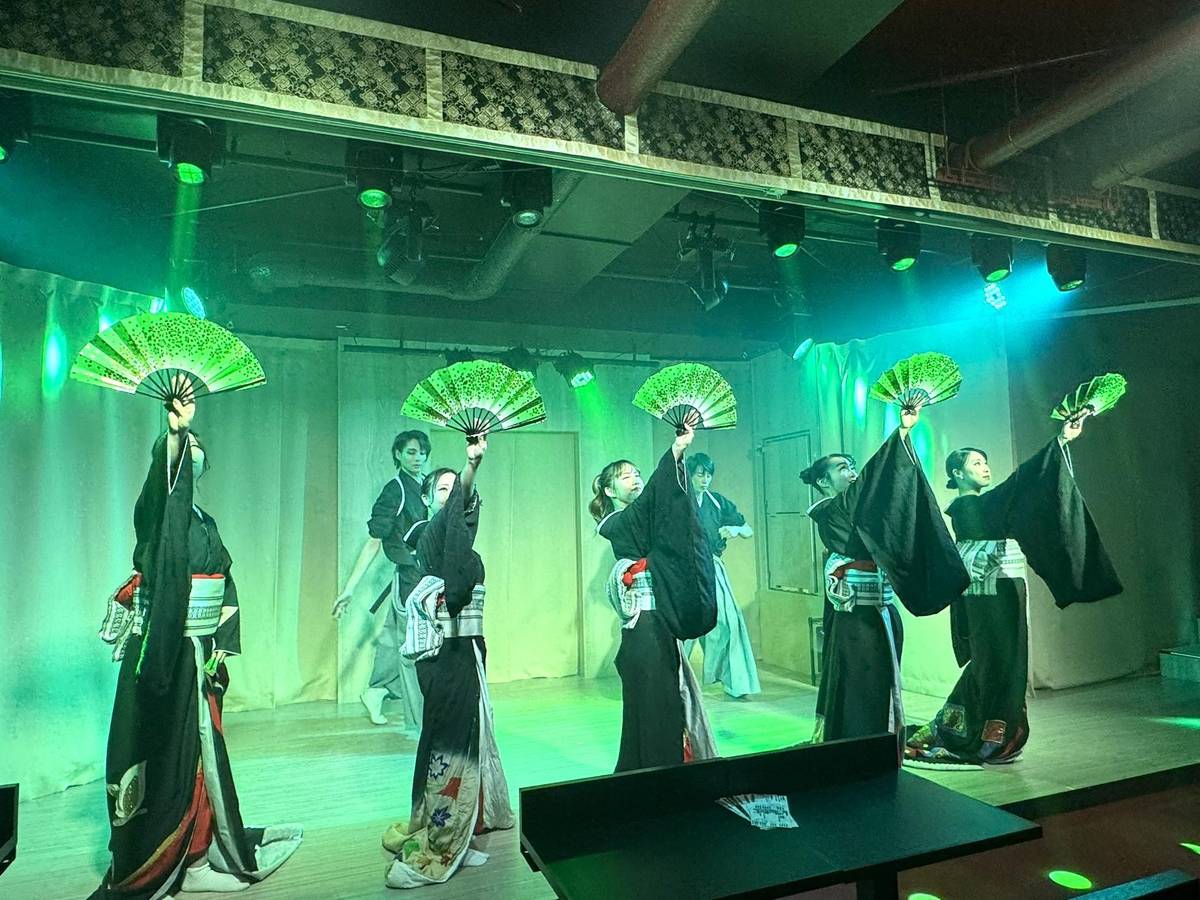
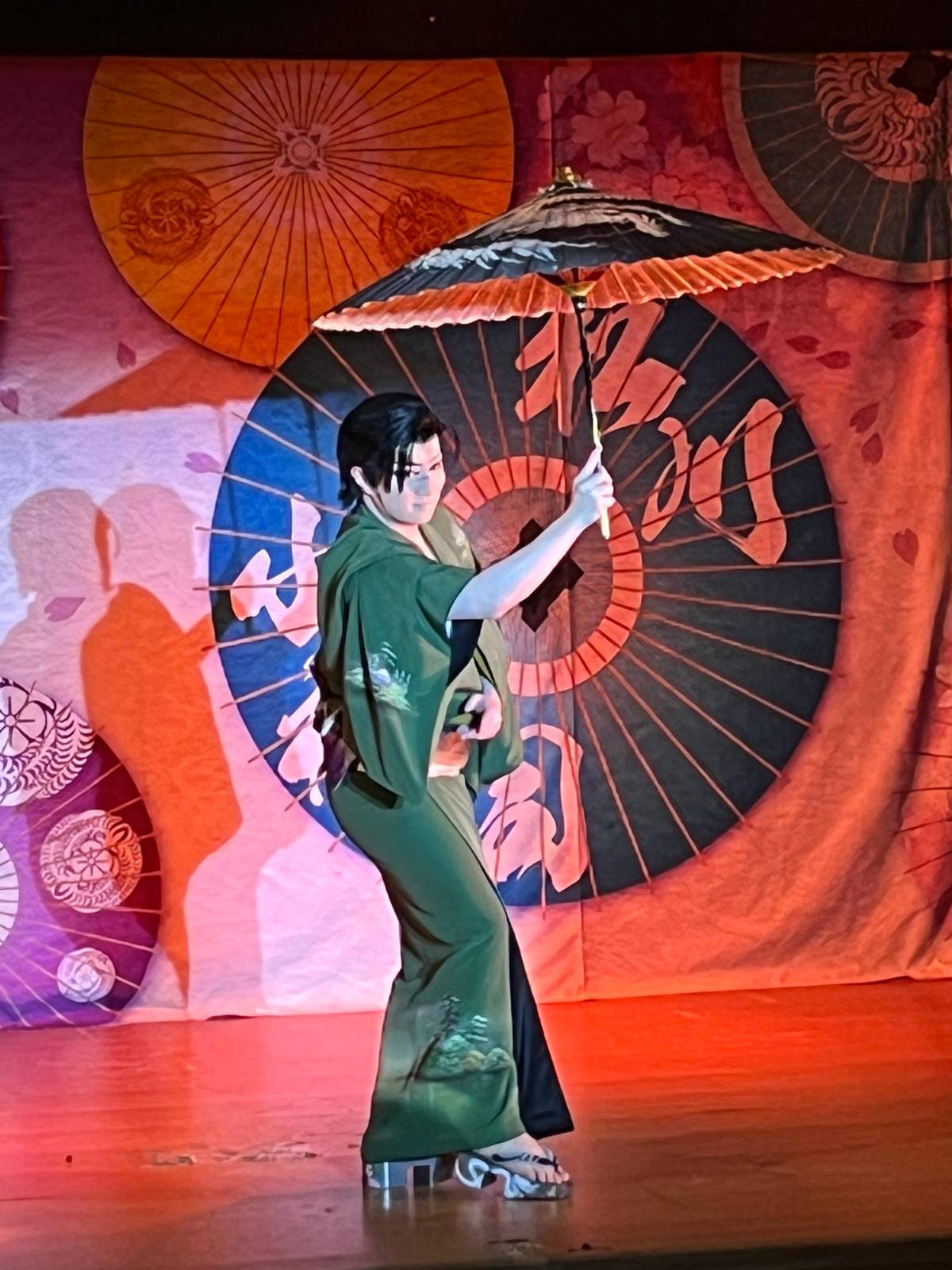
A dance cabaret is the other meaning, closer to what the English word promises. At Asakusa Kaguwa, professional performers dressed as oiran, geisha and samurai perform a run of acts in an hour-long show.2 You sit with a drink, the lights go down, and the story happens on a stage in front of you. If that is the night you had in mind, the clubs are simply the wrong search result.
A show night
How an evening at Asakusa Kaguwa runs
-
16:00
Doors open
For the first show the theater opens at 16:00, an hour before the start.5
-
17:00
Lights down
The first show starts at 17:00 and the room closes at 18:00.5
-
19:00
Second doors
For the evening show the doors open at 19:00.5
-
20:00
Evening show
The second show starts at 20:00, and the theater closes at 22:00.5
-
After
Photos with the cast
With some ticket options you get a photo with all the dancers on stage.
What a Japanese hostess club actually sells
Japanese hostess clubs belong to a wider bar culture in which the person behind the counter matters as much as the drink. The snack bar, run by a mama who knows her regulars, is the modest version. A kyabakura takes the idea further: there is no mama, the room is staffed by hostesses, and their job is to keep each guest company and entertained.1
What you pay for is attention. A hostess sits with you, keeps your glass full, laughs at your stories and remembers your name if you come back. Drinks ordered for your hostess can end up on your bill too. Each club sets its own prices, so a first visit without asking can end with a surprise.
The clubs are built around conversation, and conversation in Japanese at that. None of this is illegal or secret, but it is a social ritual with its own rules. For a traveler without Japanese and without a local host, it is rarely the relaxed, colorful night out that the word cabaret suggests.
Side by side
Cabaret club and cabaret show compared
| Question | Cabaret club (kyabakura) | Dance cabaret theater |
|---|---|---|
| What you pay for | Company and drinks at your table | A seat and a staged show |
| Who entertains | Hostesses who chat and flirt | Dancers dressed as oiran, geisha and samurai |
| Language | Conversation, mostly Japanese | Non-verbal, no Japanese needed |
| Audience | Adults | Young and old, locals and visitors |
| Price known in advance | Ask before you sit down | Yes, on the ticket |
| Typical length | As long as you stay | An hour-long show |
Club details from nippon.com's guide to Japanese nightlife, show details from the theater's own description.1236
Stage nights
Cabaret shows in Tokyo with a real stage
This site's show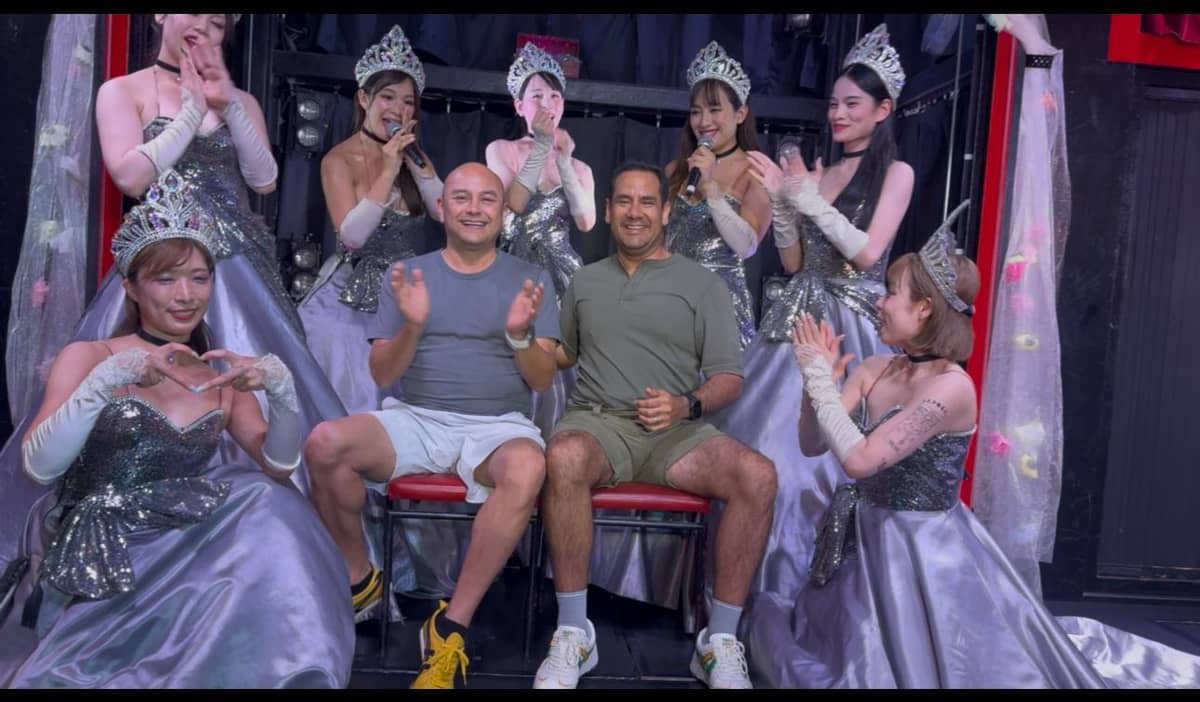 Small group
 Lowest price
Decision helper
Which kind of cabaret fits your evening?
Tap the line that sounds most like you
A dance cabaret theater
At Asakusa Kaguwa oiran, geisha and samurai perform an hour-long show.2
The theater show
The theater says its non-verbal show is for young and old alike.3
A guided nightlife walk
A Shinjuku nightlife and backstreets walk with a live guide starts from $17.
Walk on
Tokyo police advise not to follow street hawkers in Kabukicho.4
Popular theater in Asakusa
A guided taishu engeki cabaret show is sold from $21.
Kyabakura take entertainment a few steps further and are subject to stricter regulation than snack bars.
Where the clubs are, and the warning about touts
Hostess clubs cluster in the big nightlife districts, with Kabukicho in Shinjuku the best-known example, and in quieter lounge streets for business guests. At night those streets fill with people handing out flyers and promising cheap drinks, pretty staff and no cover charge. Some are honest promoters. Others are the reason the police publish warnings in English.
The Tokyo Metropolitan Police Department warns that street hawkers in Kabukicho may take visitors to places that rip them off, or to inappropriate shops, and advises people not to follow them.4 The trap is simple: the price at the door is not the price on the bill, and the dispute starts when you want to leave. A polite no and walking on is all the defense you need.
The safest rule is to choose your evening before you are on the street. A ticket bought in advance for a theater, with a seat and a start time, removes the whole negotiation. If you do want to see a hostess club out of curiosity, go with someone who knows the place, ask for the full price in writing first, and never follow a stranger from the pavement.
Checklist
Before a night out in Tokyo
01
For a show theater
- Book the ticket and seat in advance
- Arrive at the time printed on your voucher
- Check the free cancellation terms
- Bring anyone: the show suits all ages
02
If a club is offered
- Never follow a tout from the street
- Ask for the full price in writing first
- Go only with someone who knows the place
Video
The rise and fall of Japan's hostess club industry, explained
The video is fetched only after you tap play.
The cabaret show you were probably looking for
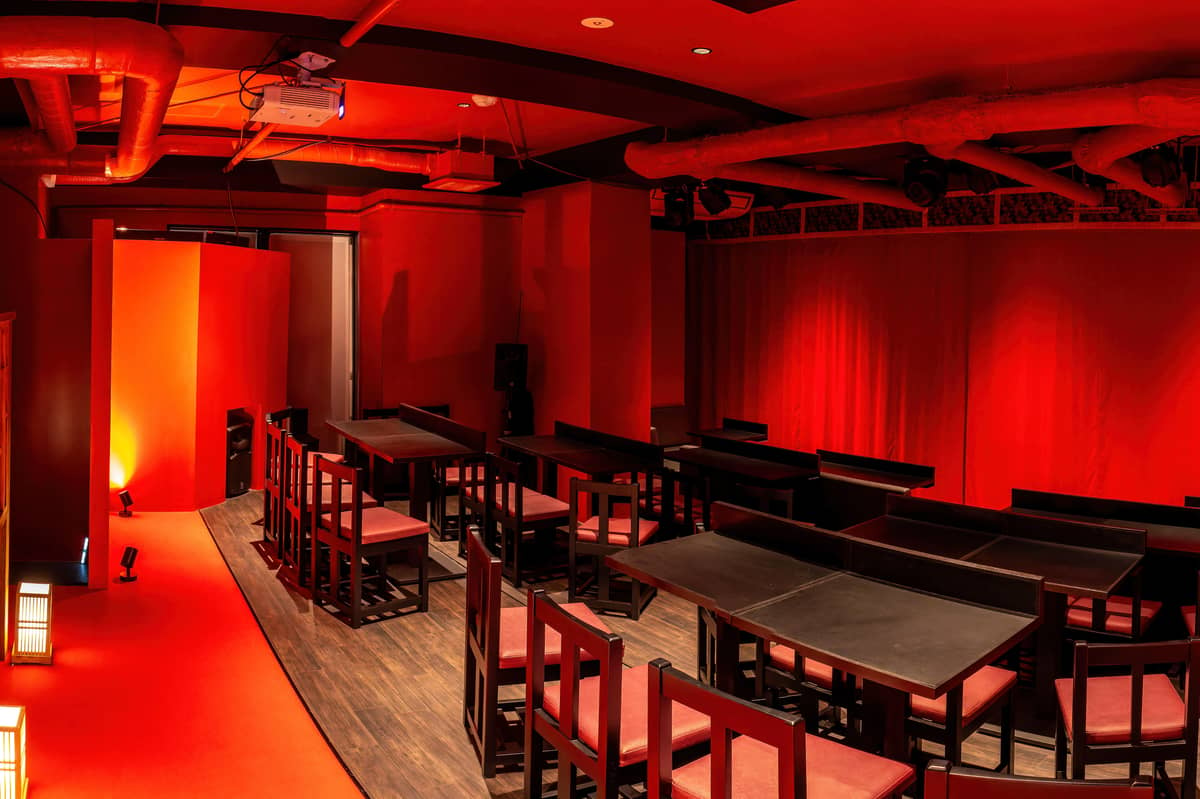
Asakusa Kaguwa calls itself a Japanese-style show theater, and its stage is the opposite of a hostess lounge.2 The performers dance, fight with swords and switch costumes, and the audience watches from tables facing the stage. It is non-verbal, so the story works without Japanese, and the theater says it is meant for everyone, young and old, local or visitor.3
The main story, Reiroudaiguren, follows a girl torn from her childhood friend and sold to a brothel because of her parents' debt, and it is told as a story of love, friendship and hope in hard conditions.7 It touches the same old pleasure-quarter world that the word oiran comes from, but as theater: costume, music and movement rather than company at your table.
The ticket on this site covers one performance of about an hour, with a drink included on the standard seat and better seats or extra drinks in other options. Reviews keep returning to the dancers, the costumes and the chance to take photos with the cast at the end. It is the kind of cabaret you can bring a parent, a friend or a teenager to without a second thought, and the kind you can talk about over dinner afterwards rather than explain away.
Other Tokyo stages that use the word cabaret
Asakusa Kaguwa is not the only stage in Tokyo that borrows the word. In Ginza, a Japanese cabaret show with a drink is sold at Show the Konparu, from $50, with a small group limited to 6 participants on that listing. It is a drinks-and-dance format in an elegant district, a different mood from the lively Asakusa room.
Back in Asakusa, a guided evening of taishu engeki, the popular theater of traveling troupes, is sold as a cabaret show from $21. The genre has its own home in the neighborhood: Asakusa Mokubakan specializes in popular theater, with a different troupe each month and daily performances.8 It is louder, more old-fashioned and very local.
What these shows share is a stage, a set start and a ticket price you know before you arrive. That is the practical difference from a hostess club, more than any question of taste. When a listing says cabaret and shows you a stage, a seat plan and a running time, you are looking at theater. When it shows you a lounge and promises company, you are looking at a club.
How to choose your night without surprises
Start with what you want to remember. If it is costumes, dance and a story, book a show theater and pick your seat. If it is curiosity about Japanese nightlife culture, a guided nightlife walk lets you see the streets, the signs and the touts from a safe distance with someone who can explain them. Neither needs you to step into a lounge on a stranger's promise.
Check three things on any listing: what the ticket includes, how long the event runs and whether you can cancel. The Asakusa Kaguwa ticket, for example, runs for about 2 hours on its listing, costs nothing to cancel until 24 hours before the show, and you can reserve now and pay later. That information is the opposite of the vague promises you hear on the street.
Finally, think about who is with you. A family, a mixed group of friends or a solo traveler who wants a relaxed evening will all be comfortable at a stage show. A hostess club is designed for a very different kind of evening. Knowing the difference turns a confusing search term into an easy decision. And if you are still curious about the clubs, a good documentary or a guided walk will show you more of that world than a lone visit ever could, without the bill and without the misunderstandings that come from a language you do not share.
Tonight in Asakusa
Oiran, swords and a story, an hour from now
Pick your seat and show time; free cancellation up to 24 hours before.


You ask,we answer.
What is a Japanese cabaret club?
A hostess bar, not a stage show. In a kyabakura, hostesses sit with guests, chat and flirt with them while drinks are served.1
Are Japanese hostess clubs legal?
Yes, and they are regulated. Kyabakura are subject to stricter regulation than snack bars.1
Is Asakusa Kaguwa a hostess club?
No, it is a show theater. Performers dressed as oiran, geisha and samurai perform an hour-long show on a stage.2
Can children watch the dance cabaret?
Yes, it is made for all ages. The theater describes its non-verbal show as meant for everyone, young and old.3
Should I follow a tout in Kabukicho?
No. Tokyo police warn that street hawkers there may lead visitors to places that rip them off.4
Do I need to speak Japanese for the show?
No. The show is non-verbal, so the story is told through dance, music and costume.3
How long does the theater evening take?
About an hour of show. The performance itself is an hour long; the listing allows about 2 hours in total.6
Sources
What this text is based on
- 1↩
- 2ASAKUSA KAGUWA (official website)Home-en - 和風ショーシアター 浅草香和↩
- 3Asakusa KaguwaJapanese-style Show Theater ASAKUSA KAGUWA↩
- 4Tokyo Metropolitan Police Department (警視庁)Crime prevention tips in entertainment and nightlife districts(盛り場トピックス)↩
- 5ASAKUSA KAGUWASYSTEM・PRICE - 和風ショーシアター 浅草香和↩
- 6ASAKUSA KAGUWAHome-en - 和風ショーシアター 浅草香和↩
- 7Asakusa KaguwaPROGRAM・PERFORMERS - 和風ショーシアター 浅草香和↩
- 8Taito CityAsakusa Mokubakan Taishu Gekijo↩
Keep reading