Shows4.8(8,004)
From Tokyo · 2 hrs
Tokyo: Sumo show with chicken hot pot and geisha
- Small group available
from $102
View tourGuides
Language
EnglishCurrency
US dollar · $GetYourGuide shows prices in the currency you choose.
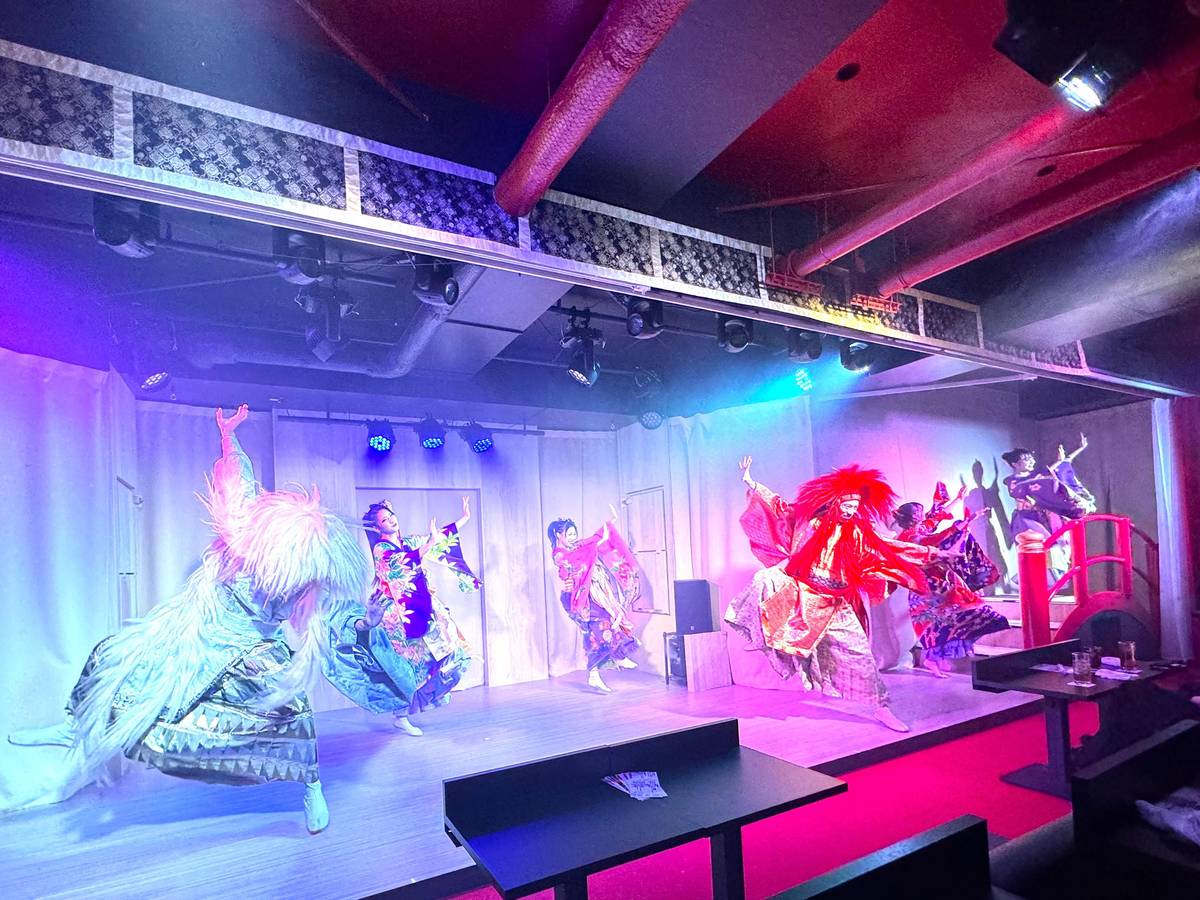
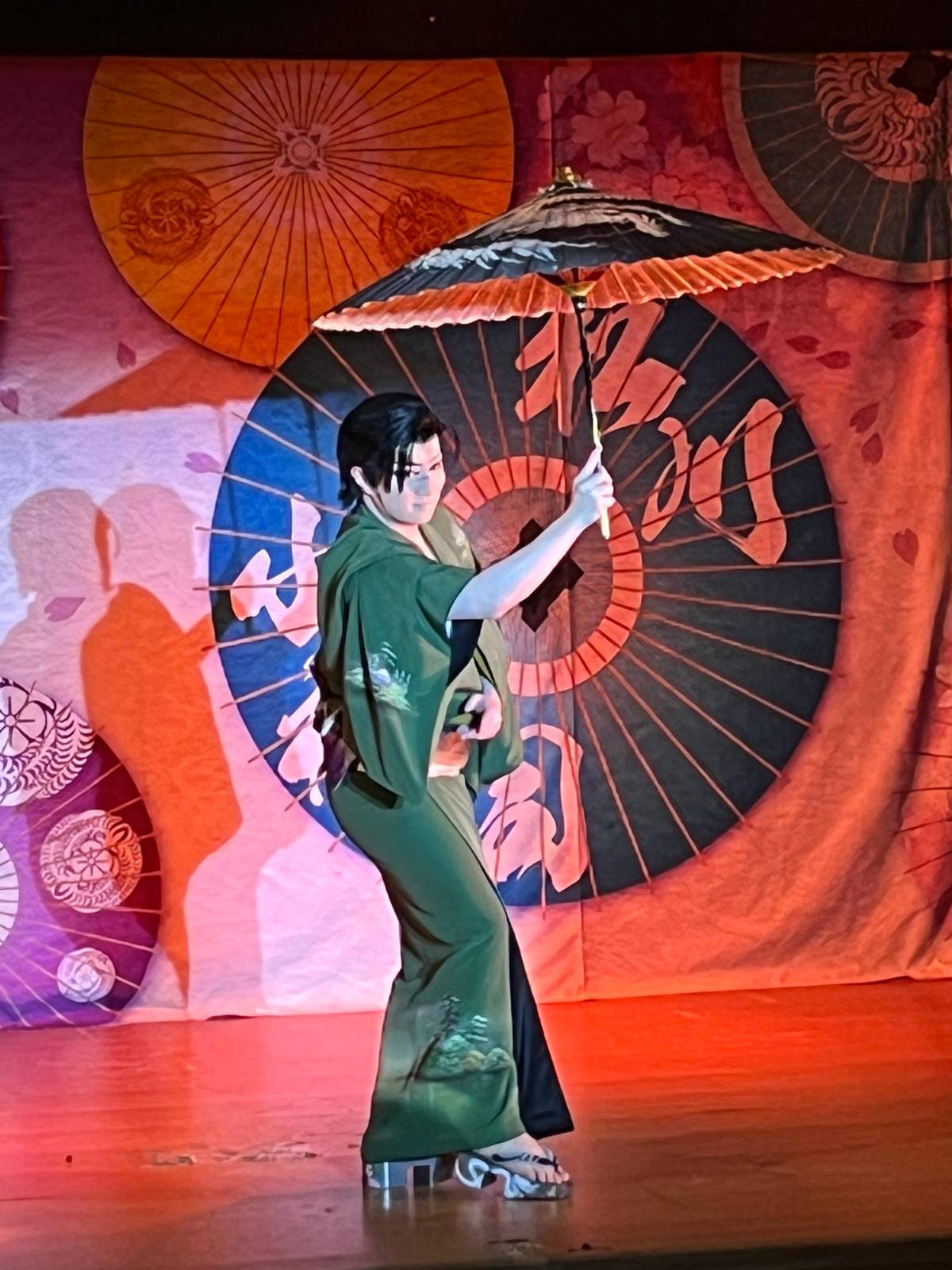
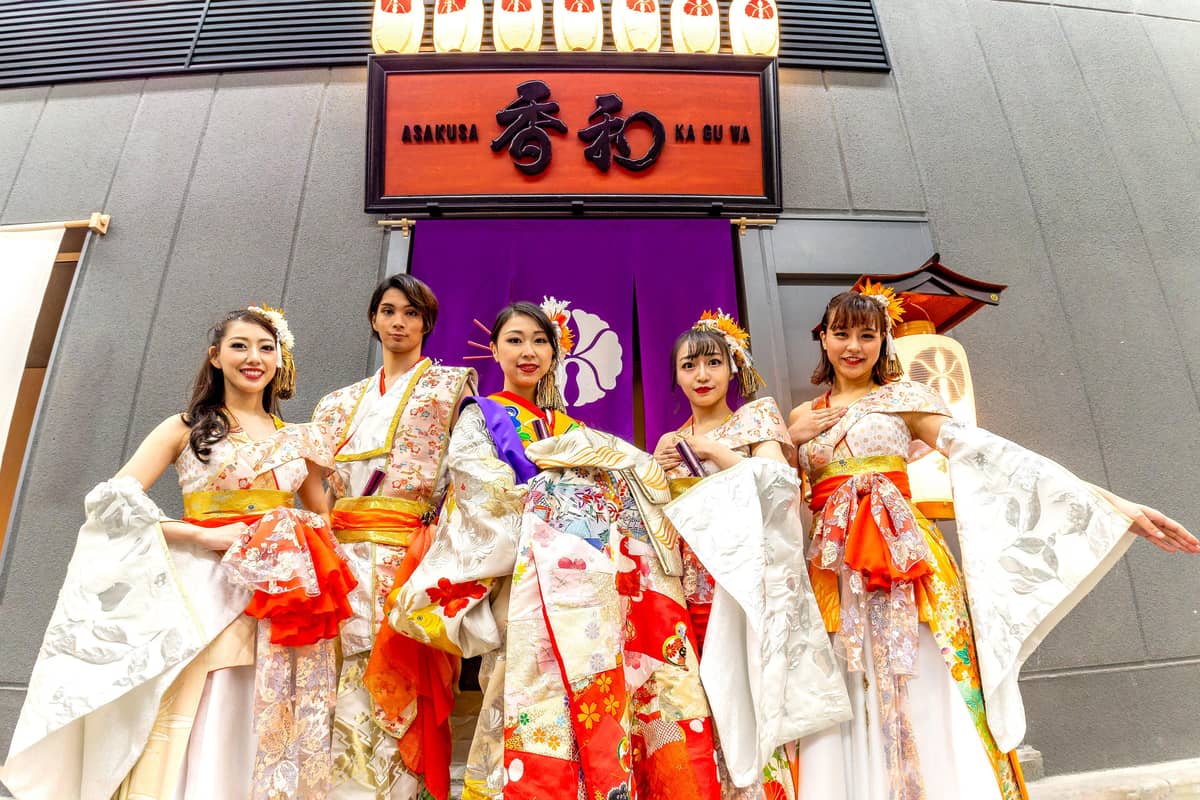
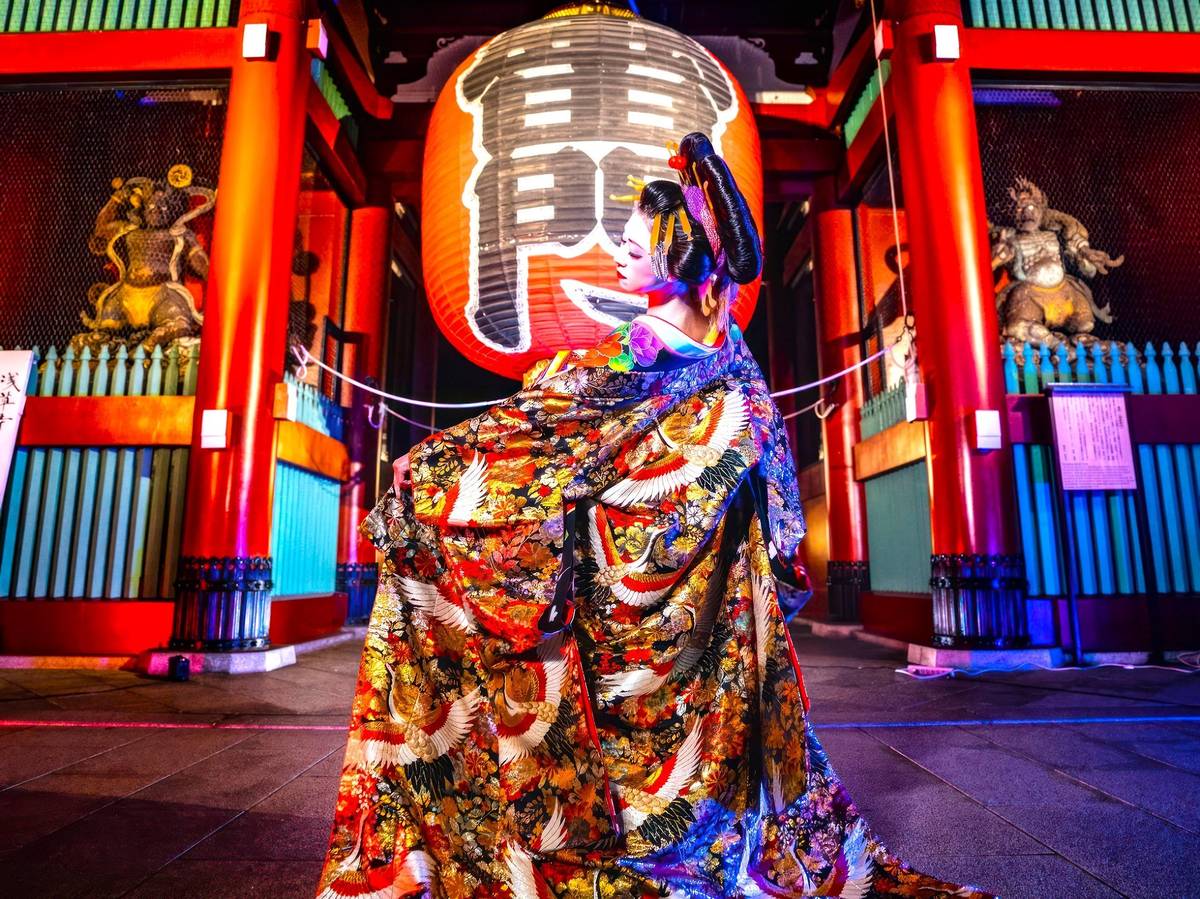
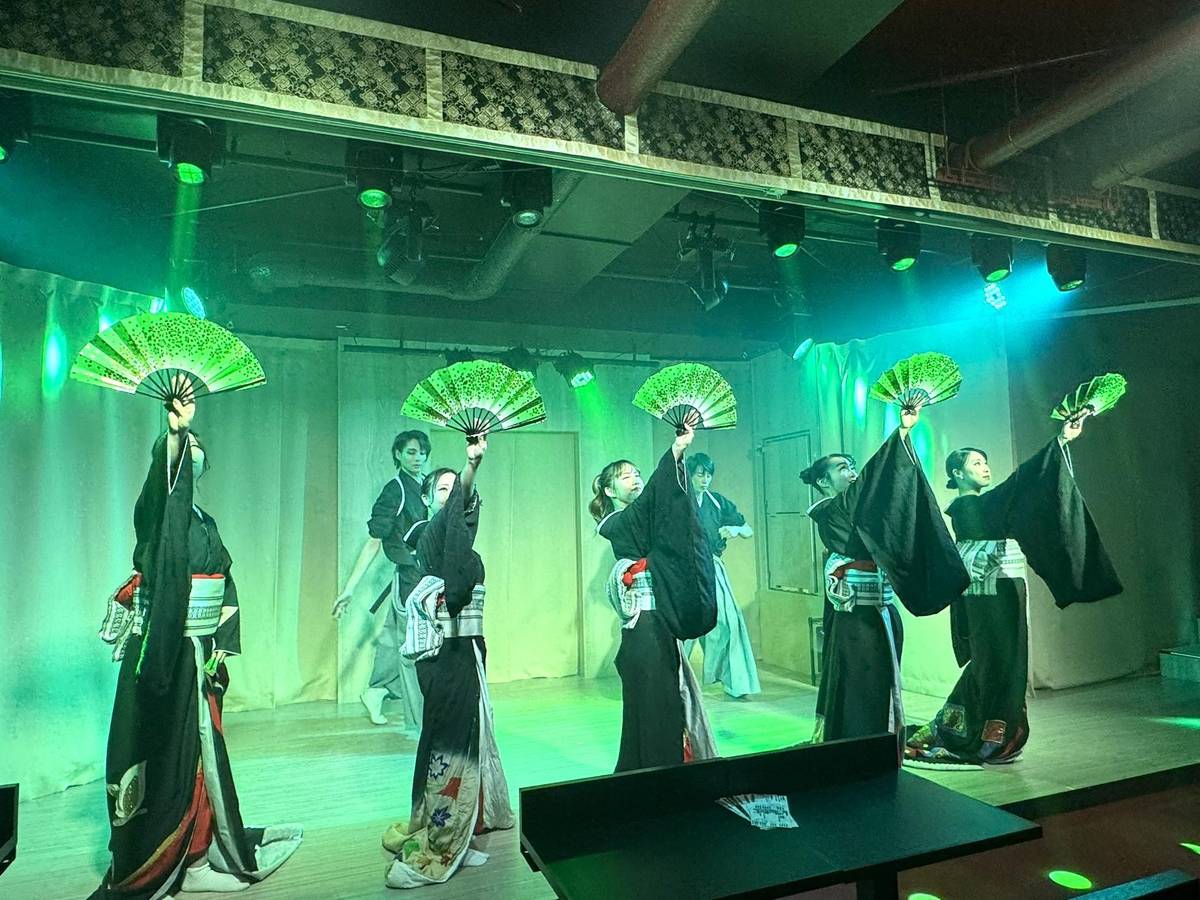
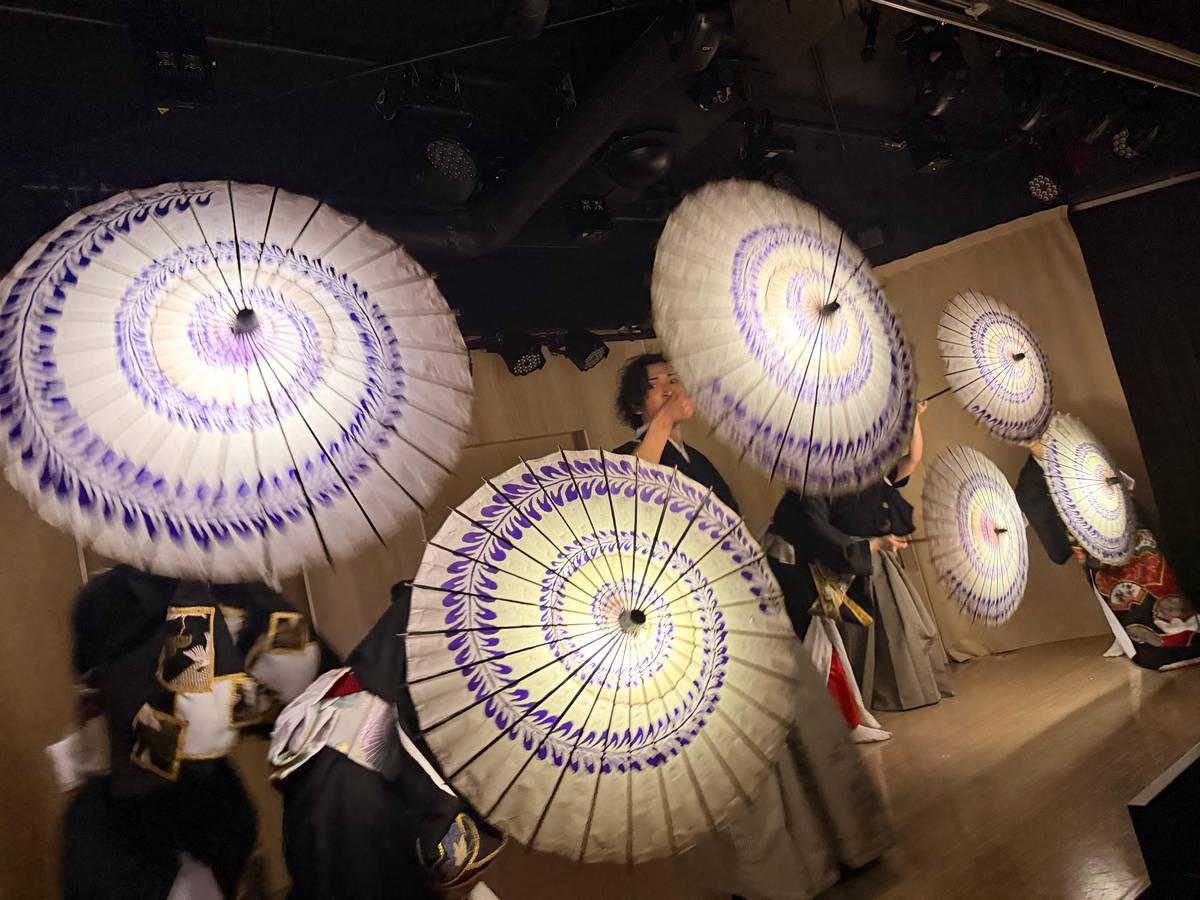
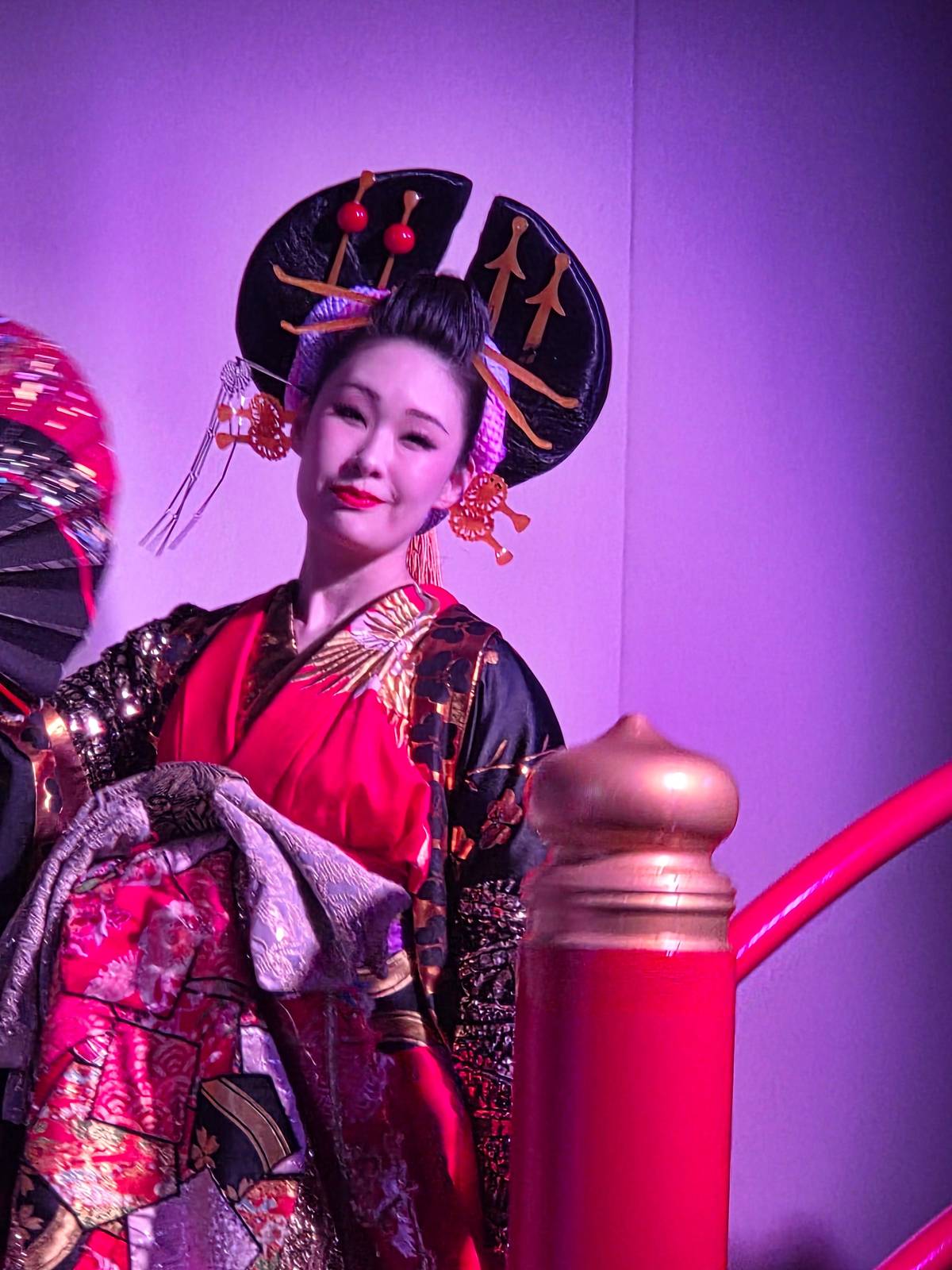
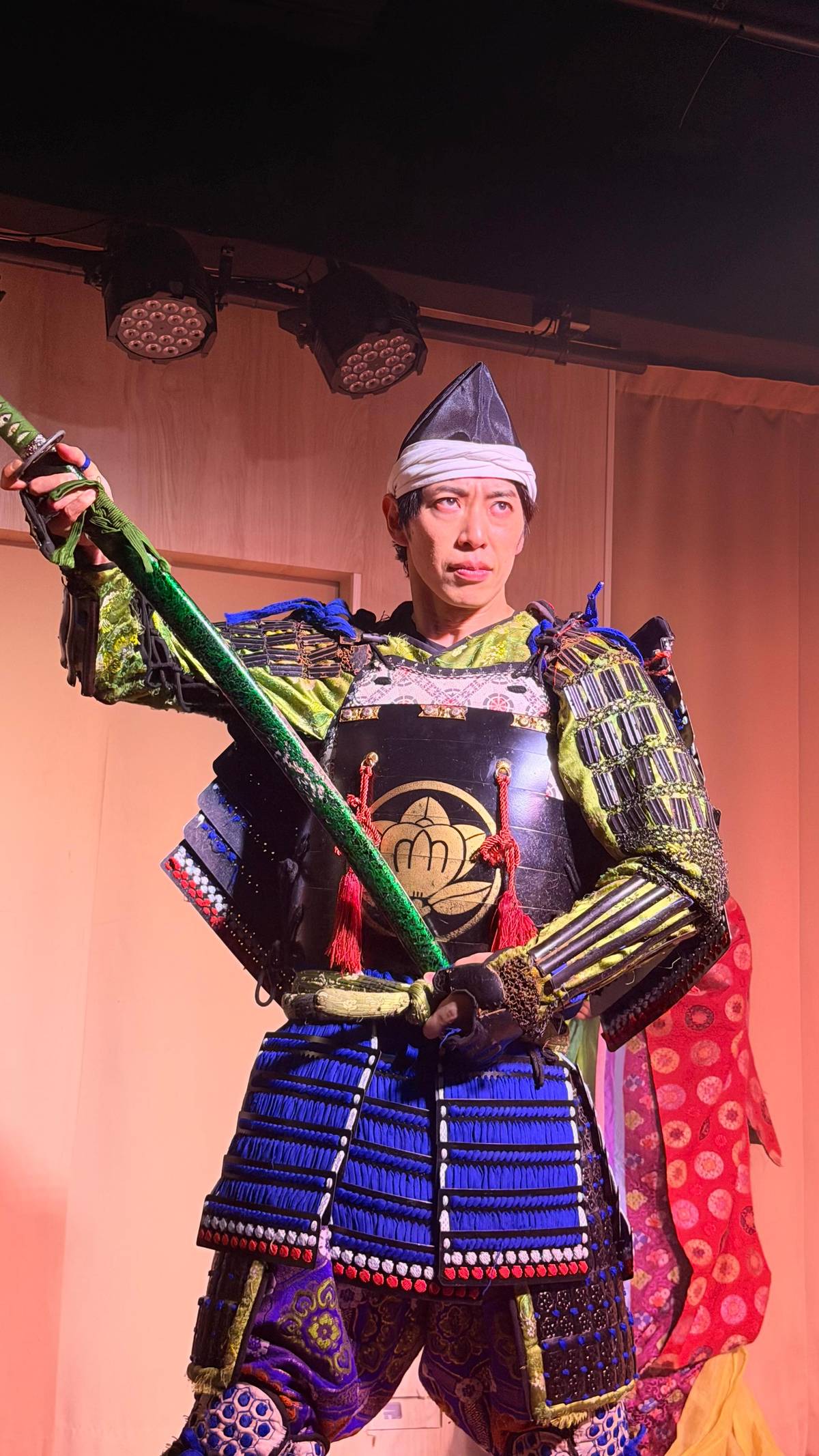
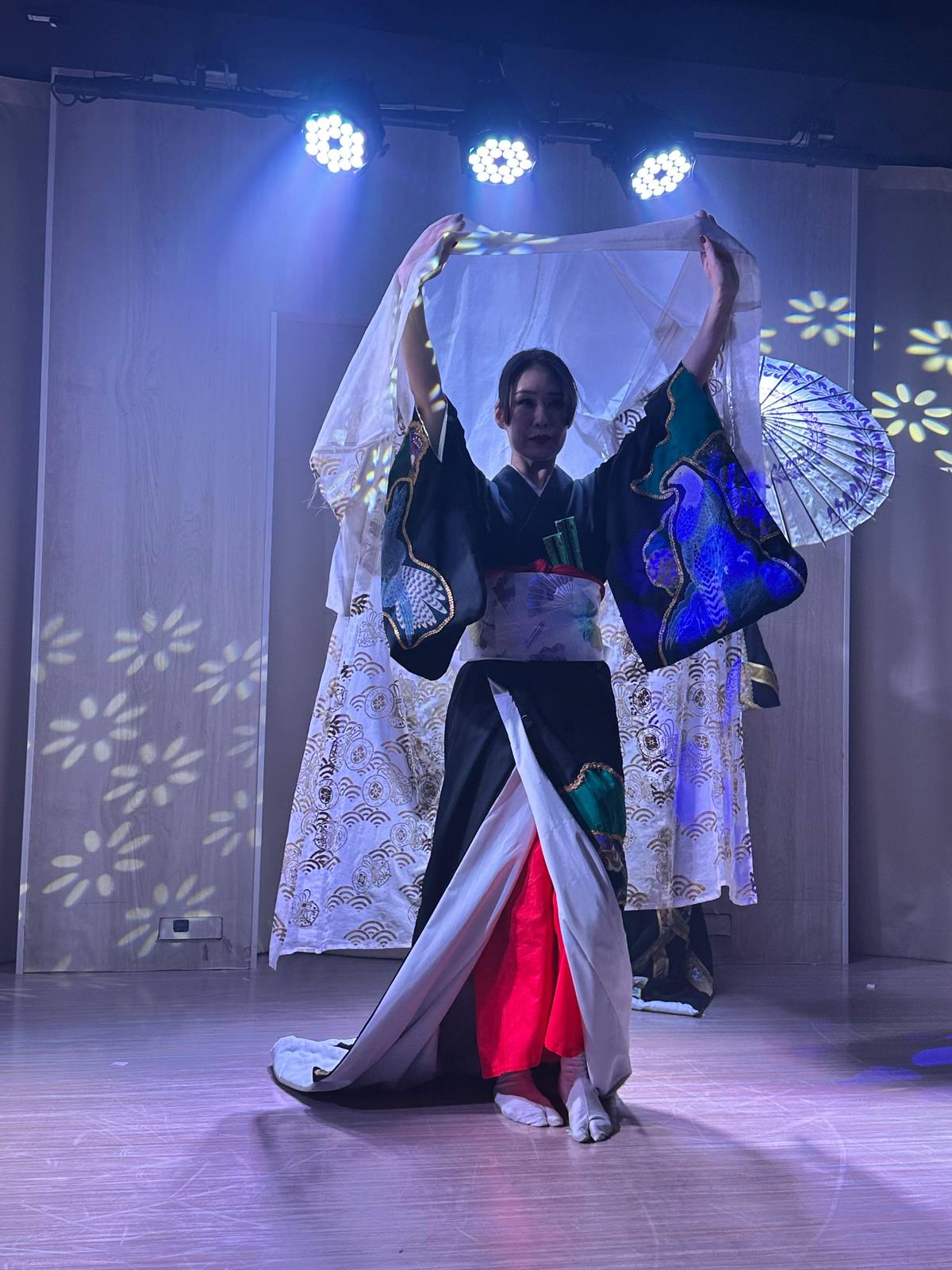
Oiran in towering hairpins, samurai with drawn swords and dancers with fans, an hour of Japanese stage magic a few steps from Senso-ji.
Frequently fully booked 6 days in advanceReserve now, pay later
By the way · what it is
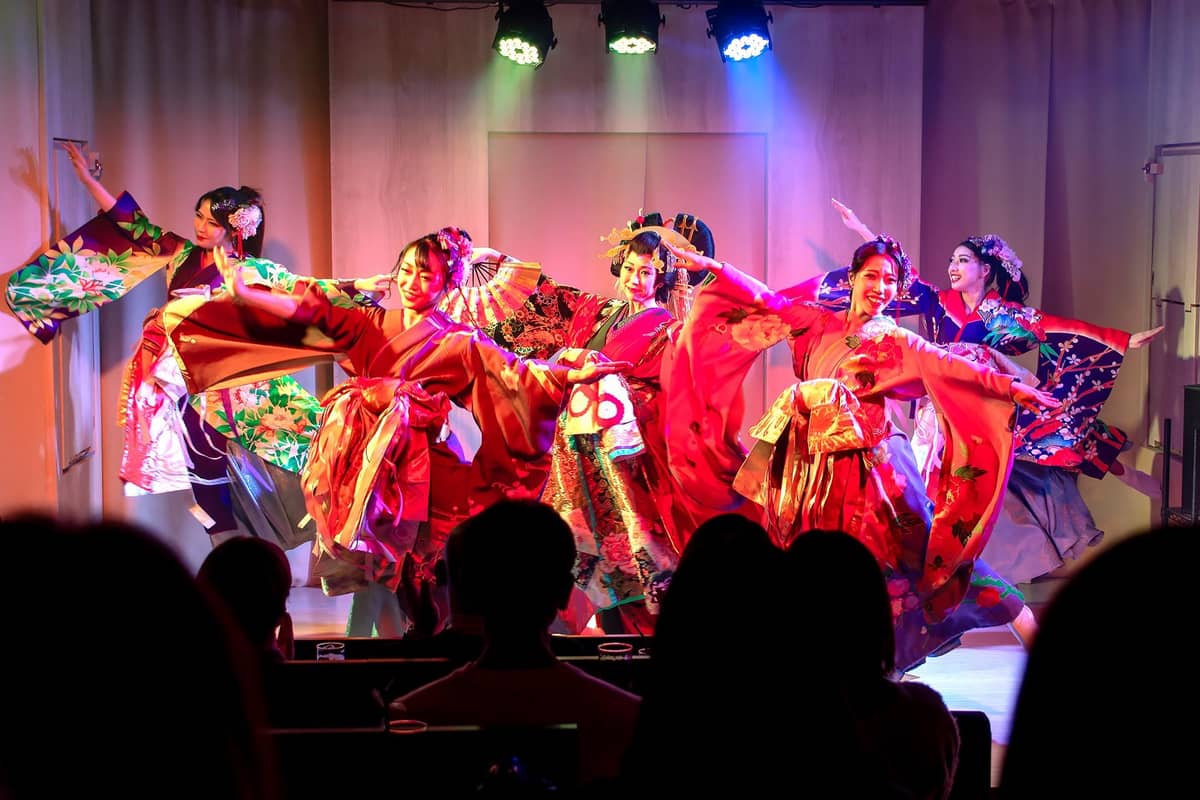
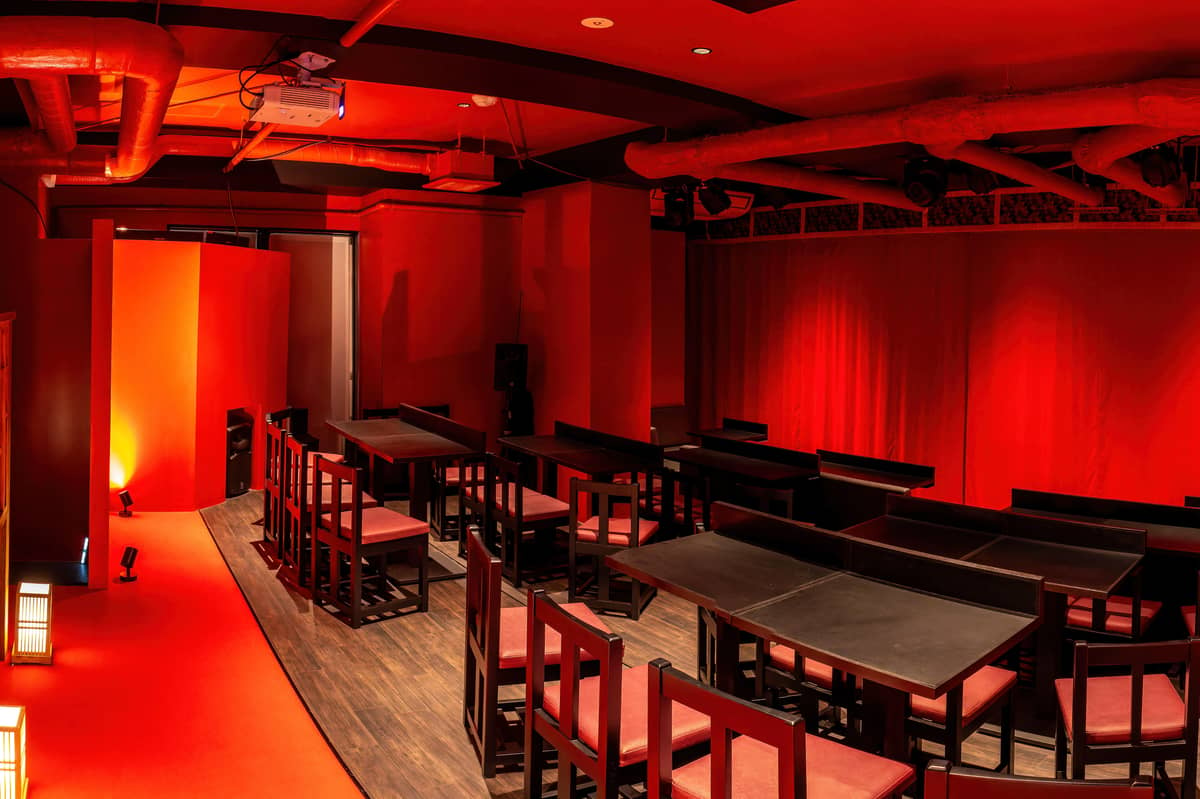
Japanese cabaret, in the sense this site is about, is a dance show: a small stage, tables facing it, and a cast in classical costume telling a story through movement. At Asakusa Kaguwa, performers dressed as oiran, geisha and samurai take turns through an hour-long show in a Japanese-style show theater. You sit with a drink, and the hour belongs to them.
It is not the same as a Japanese cabaret club. In Japan that phrase, kyabakura, means a club where hostesses chat and flirt with guests, a regulated bar rather than a stage. If you want costumes, music and a story you can share with friends or family, the dance theater is the Japanese cabaret show you have in mind.
The theater plays two shows a day, at 17:00 and 20:00, from Tuesday to Sunday. Tickets start from $49 and can be cancelled free of charge up to 24 hours before. The theater sits in the middle of Asakusa, a 2-minute walk from Asakusa Station.
Why this show
At Asakusa Kaguwa, performers dressed as oiran, geisha and samurai perform a run of acts in an hour-long show. There are no spoken lines, so you follow the story without Japanese. In 2026 its SAMURAI & OIRAN show won the Outstanding Dance Show award at the Asian Arts Awards in Edinburgh.
Free cancellation up to 24 hours before
By the way · why asakusa
Asakusa drew crowds long before anyone built a modern dance theater here. As the temple town of Senso-ji it attracted visitors from the Edo period on, and its Rokku district grew into one of Tokyo's major entertainment districts in the Meiji and Taisho periods, full of playhouses, storytellers' halls and cinemas.
That history is still on the streets. Hand-painted posters announce popular theater, and Asakusa Mokubakan, a stage for taishu engeki, changes its troupe every month and plays daily. A dance cabaret on Sushiya-Dori is simply the newest stage in a district that never stopped putting on shows.
It also makes for an easy evening. Senso-ji, founded in 628, and its famous Kaminarimon gate are a short stroll away, so you can see the classic sights in the afternoon and walk to the theater without a train in between.
Reviews
 5.0
Energy, stunning costumes, smart choreography and great lighting. A Japanese-inspired show with modern dance and music, and a lovely way to fill a Tokyo evening.”
 EdytaJuly 2026, with family · GetYourGuide
Verified
 5.0
The dancing was beautiful and the choreography polished. I loved the costumes, and meeting the dancers before the show was a lovely extra.”
 RandyJuly 2026, traveling solo · GetYourGuide
Verified
 5.0
I went alone and had a wonderful time: action, adventure and drama, a woman in a man's role, and photos with very kind dancers at the end.”
 AmberMay 2026 · GetYourGuide
Verified
 5.0
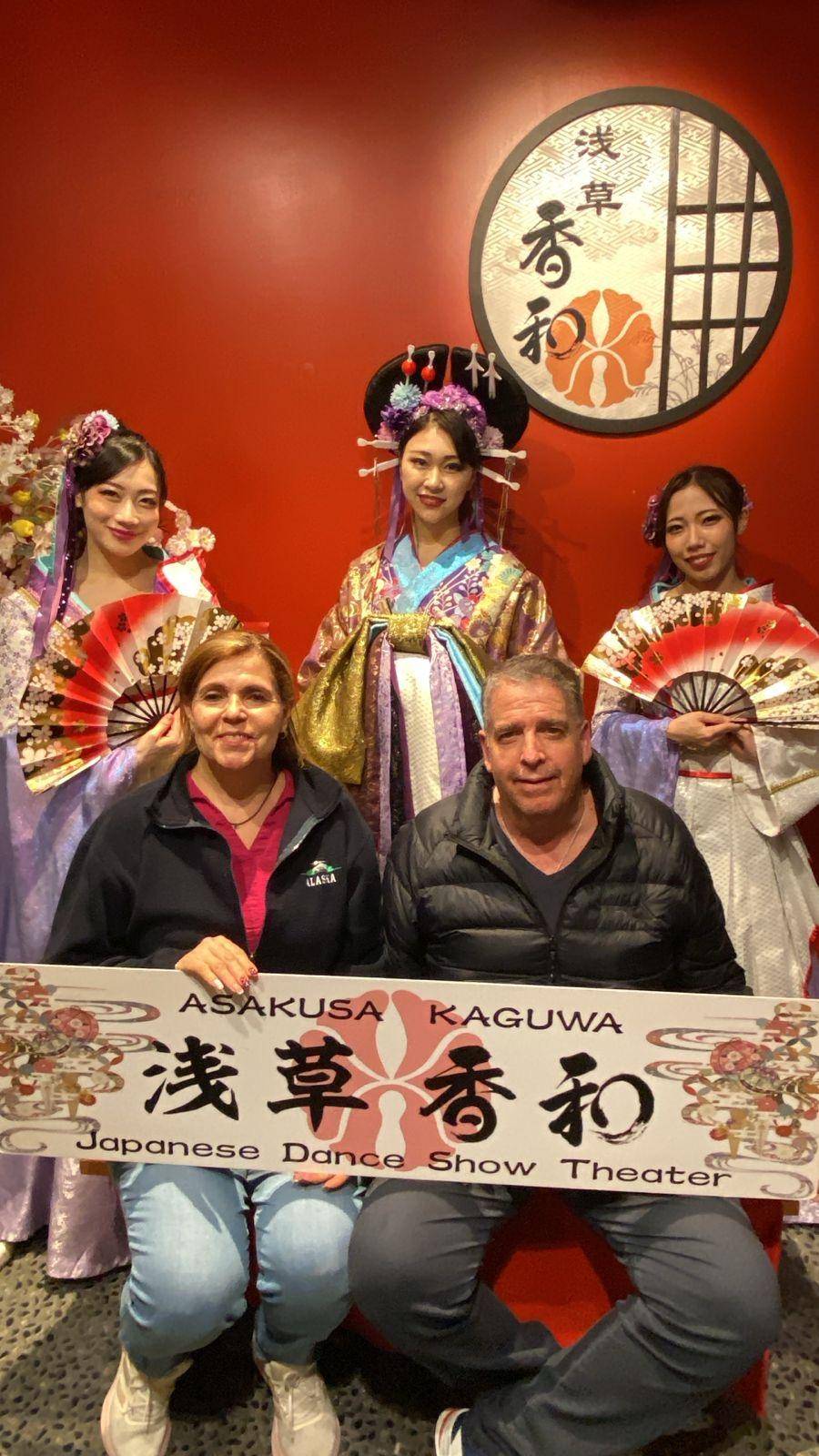
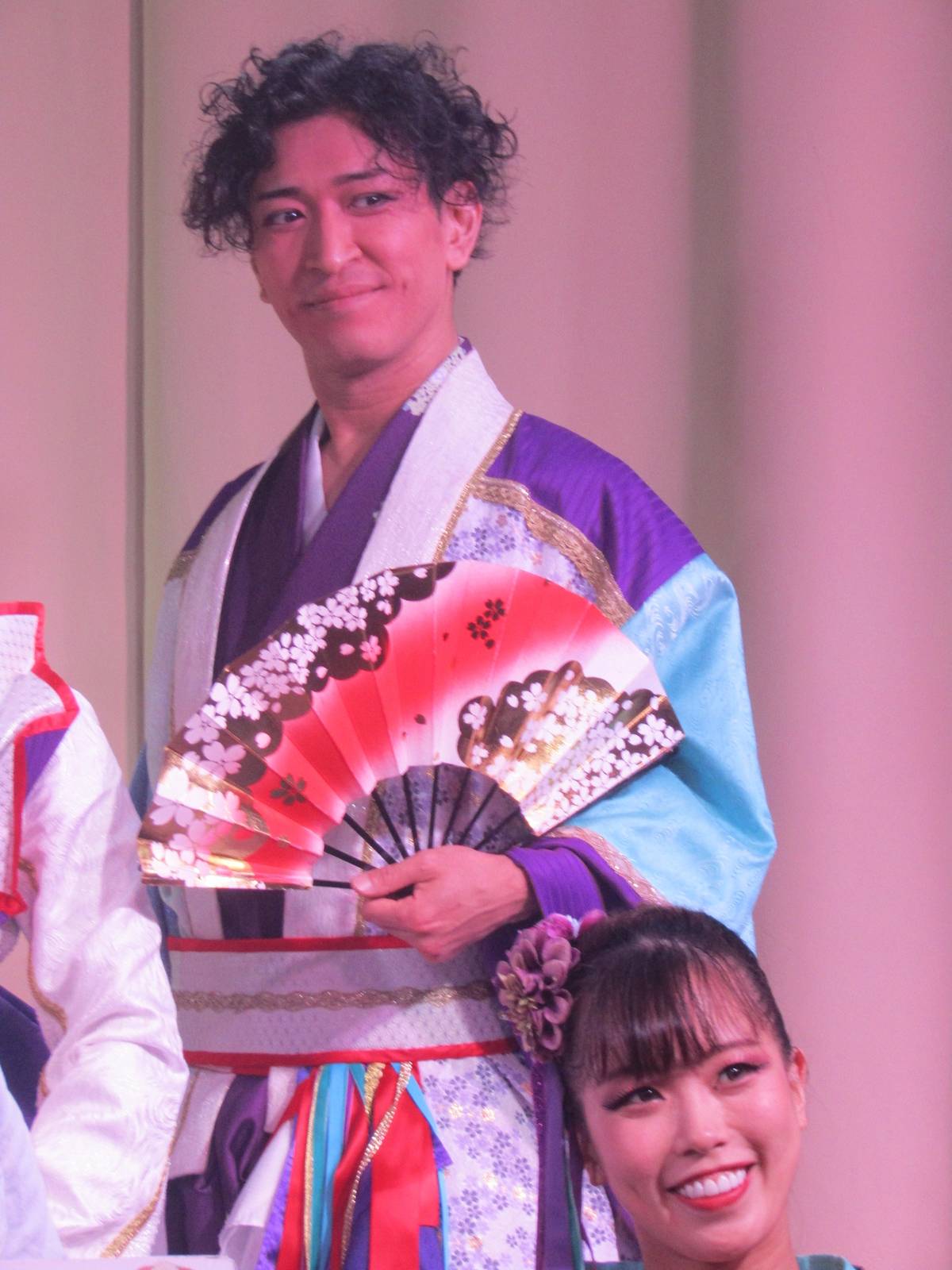
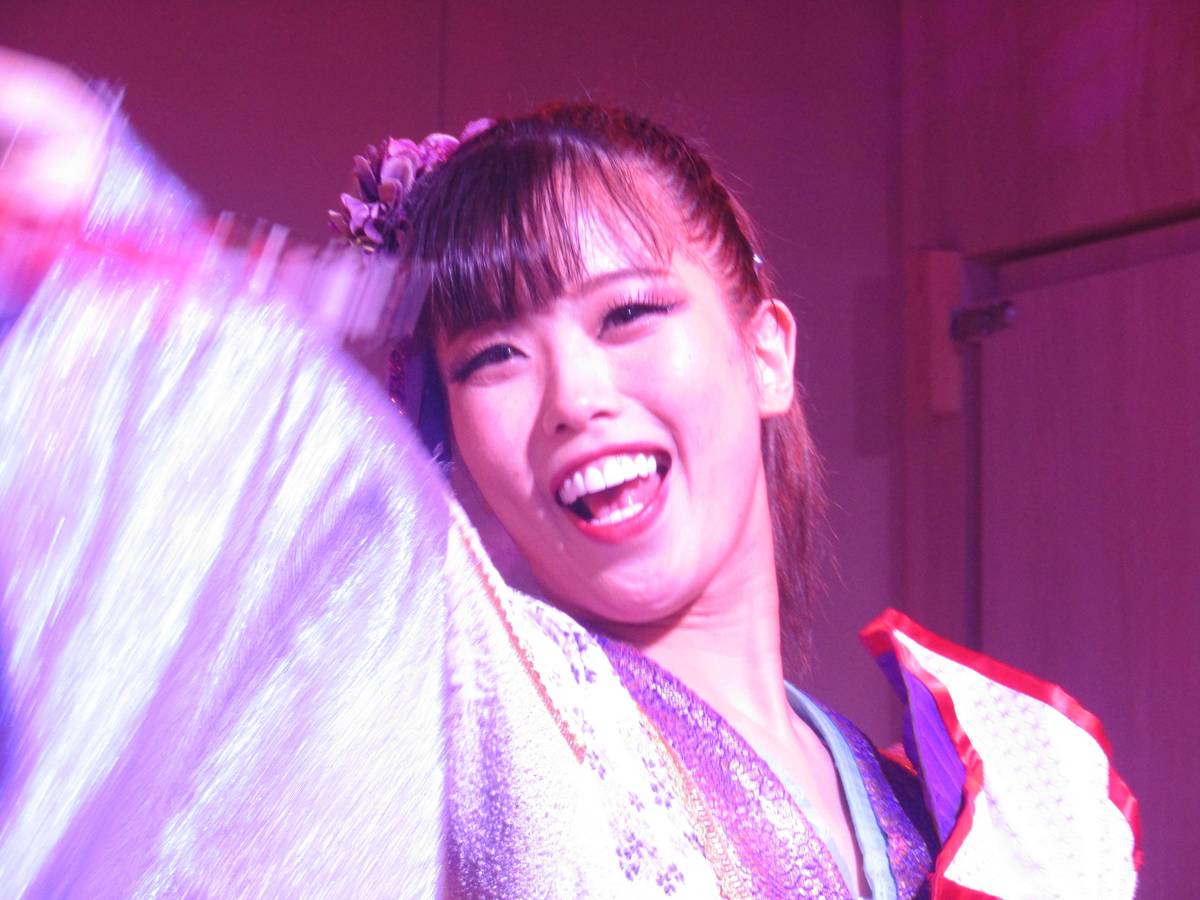
The dancers kept the energy high through every act. You can see on their faces how much they love performing and meeting the guests.”
 CatherineMay 2026 · GetYourGuide
Verified
 5.0
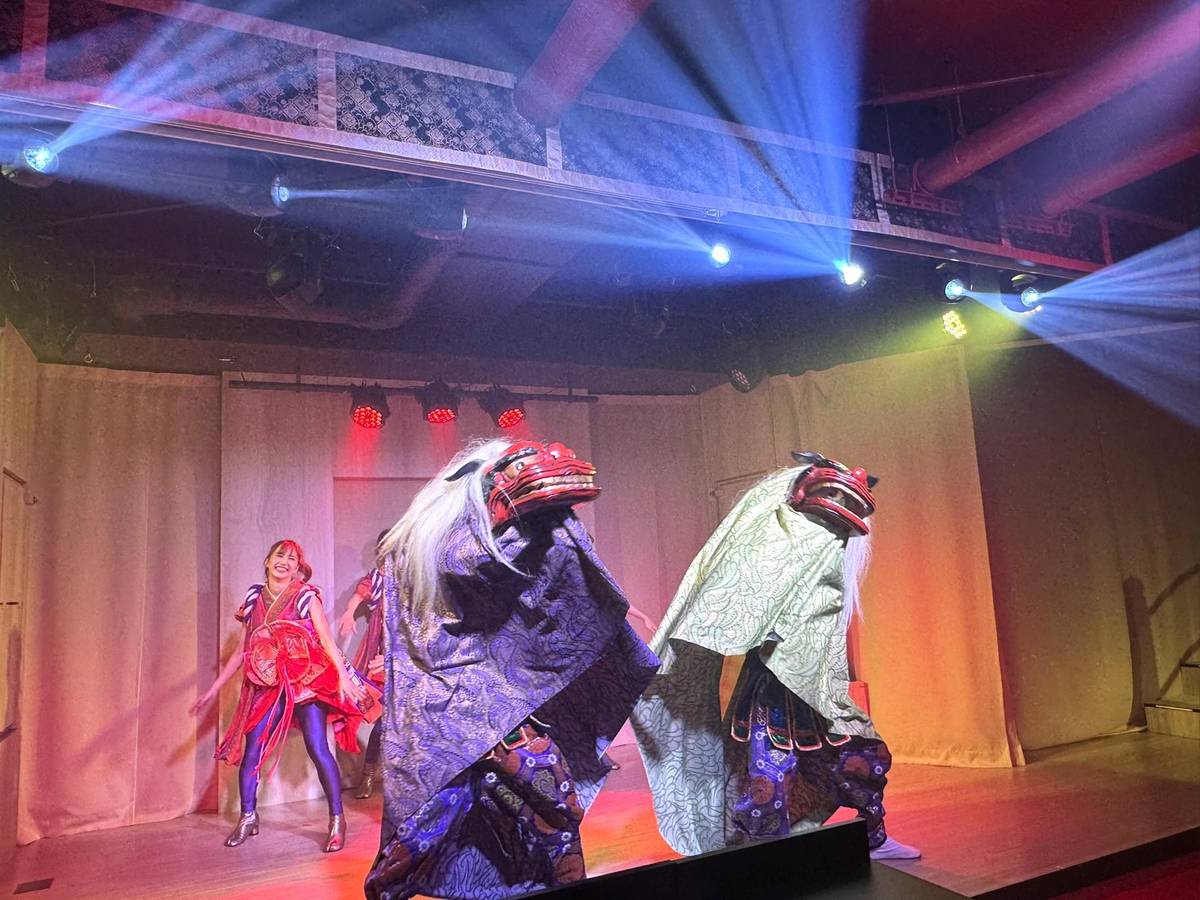
A great introduction to Japanese performing arts: mask changes, storytelling, modern music and dance, and one of the few shows that was easy to book and reach.”
 ImanJune 2026 · GetYourGuide
Verified
 5.0
Exciting and moving, it even brought me to tears. Friendly staff, fun photo props, easy to find, with tasty food and souvenirs on offer.”
 DeniseJune 2026 · GetYourGuide
Verified
By the way · what guests praise
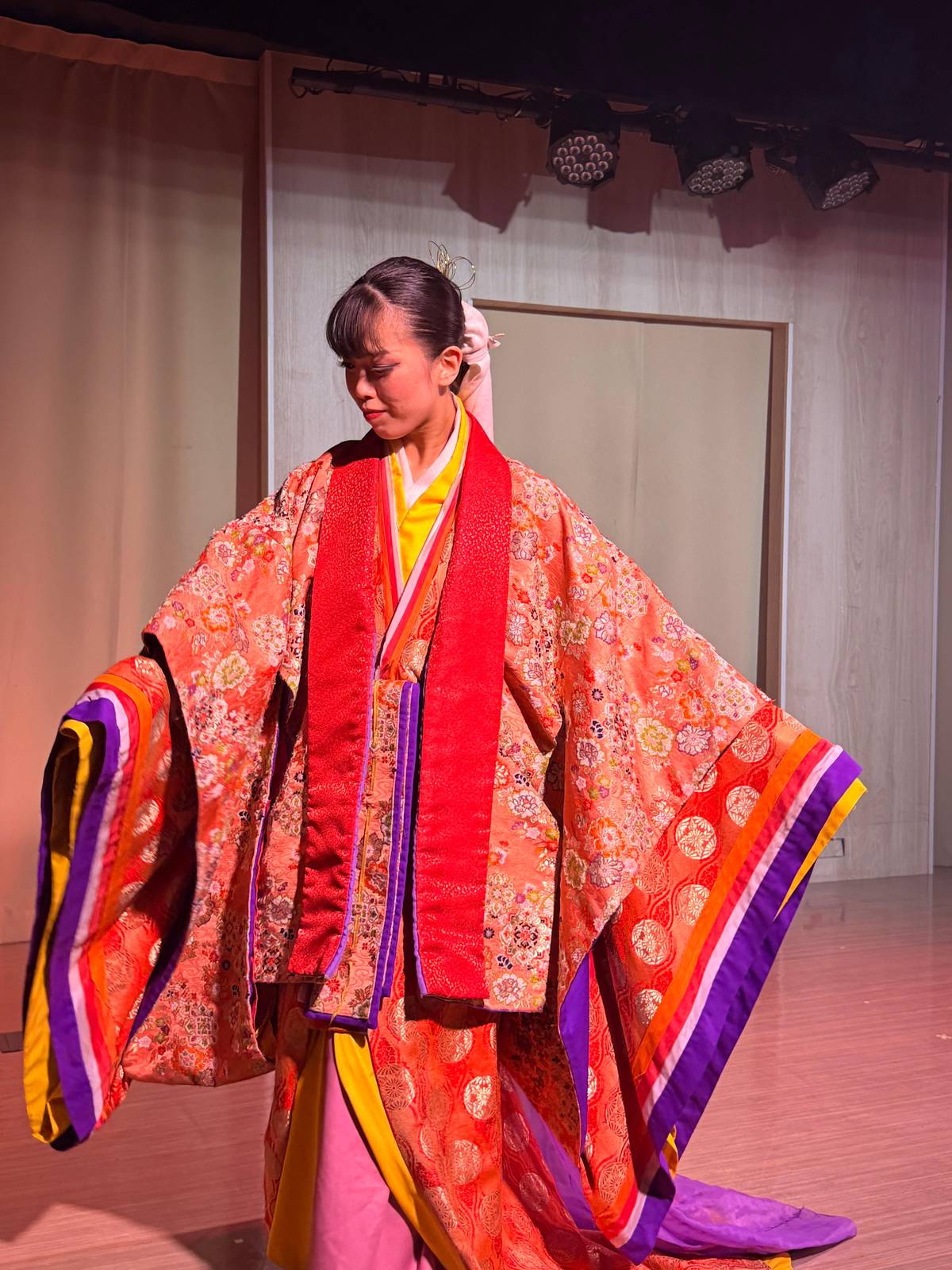
In the reviews, the dancers come first. Guests describe them as talented, full of energy and visibly happy on stage, and they mention choreography that stays tight from the first act to the last. The costumes come next, layered silk, armor and bright kimono under lighting that changes with every scene.
The story surprises people. Several reviewers say they felt drawn into the plot, and a few admit to tears near the end, which is a lot for a show without words. Others like the mix of traditional dance with modern music, and one compared the evening to Asakusa itself: authentic and modern at once.
And then the people around the show. Staff are described as welcoming and helpful, and guests love the chance to meet the dancers and take photos at the end. The ticket is rated 4.81 from 2,684 reviews, with 4.7 for value for money.
Compare
Elsewhere in Tokyo
Well-rated experiences around Tokyo, live on GetYourGuide and free to cancel.
From Tokyo · 2 hrs
from $102
View tour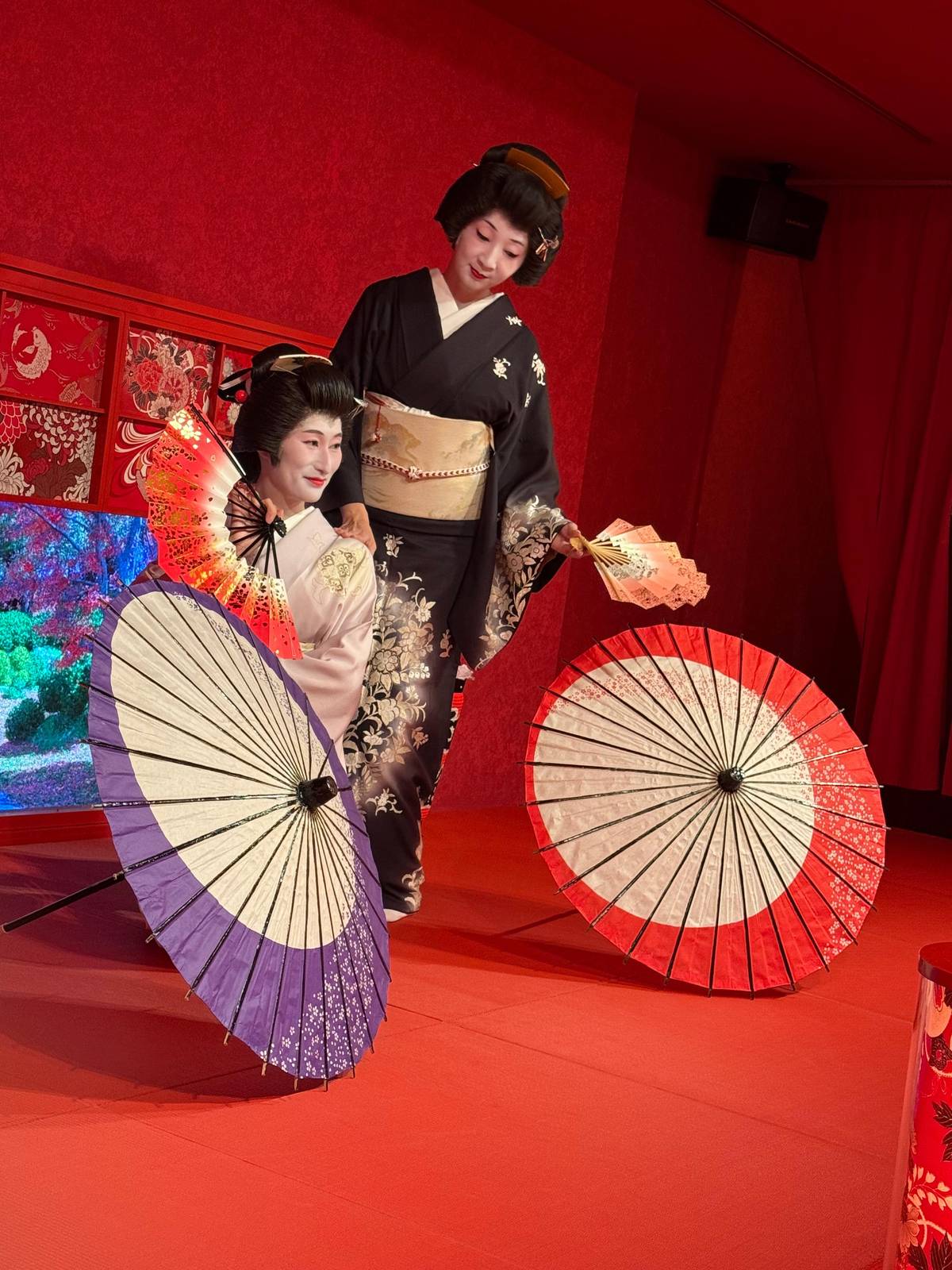
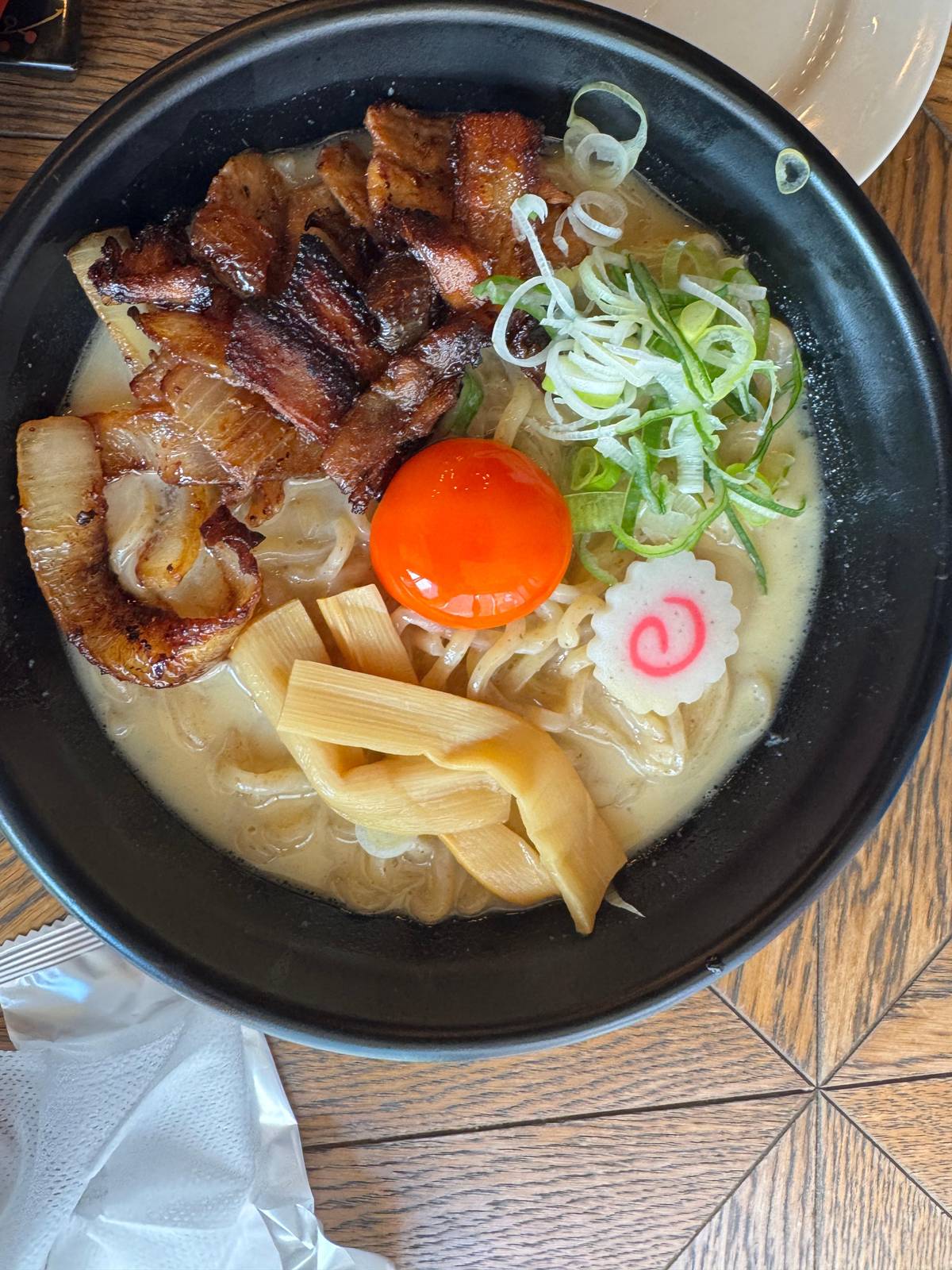
From Tokyo · 1 hour
from $29
View tour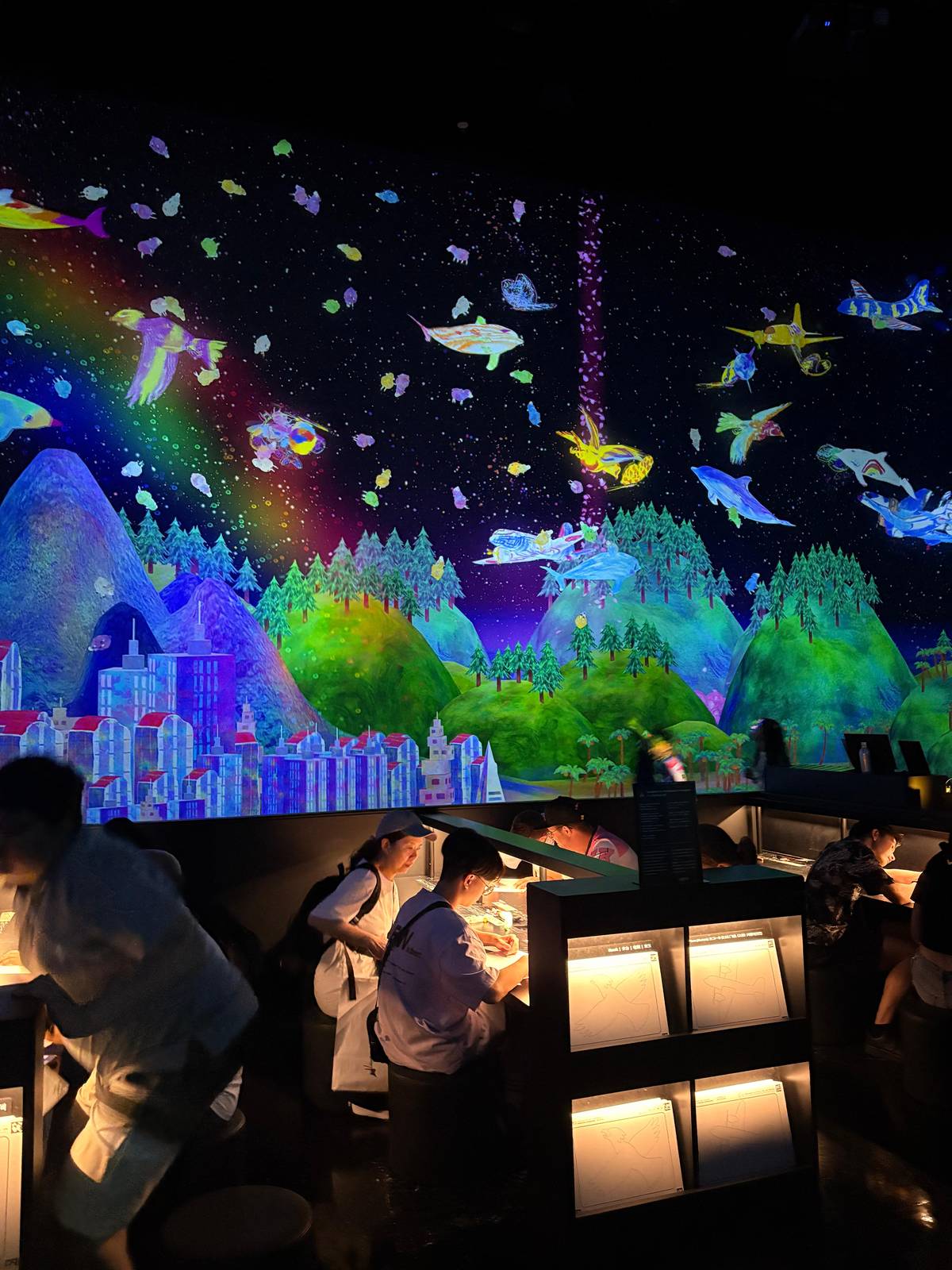


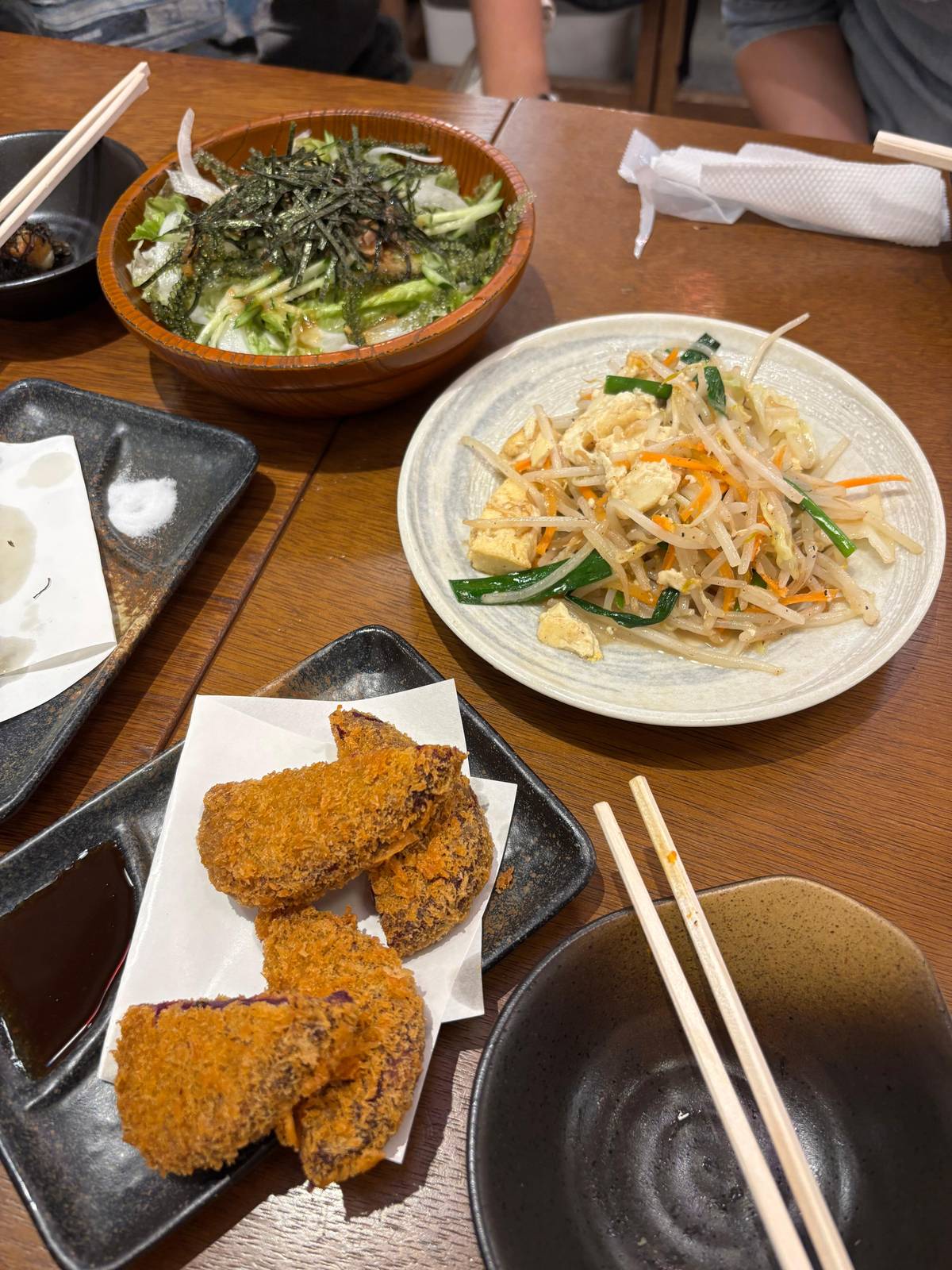
From Tokyo · 3 hrs
from $74
View tour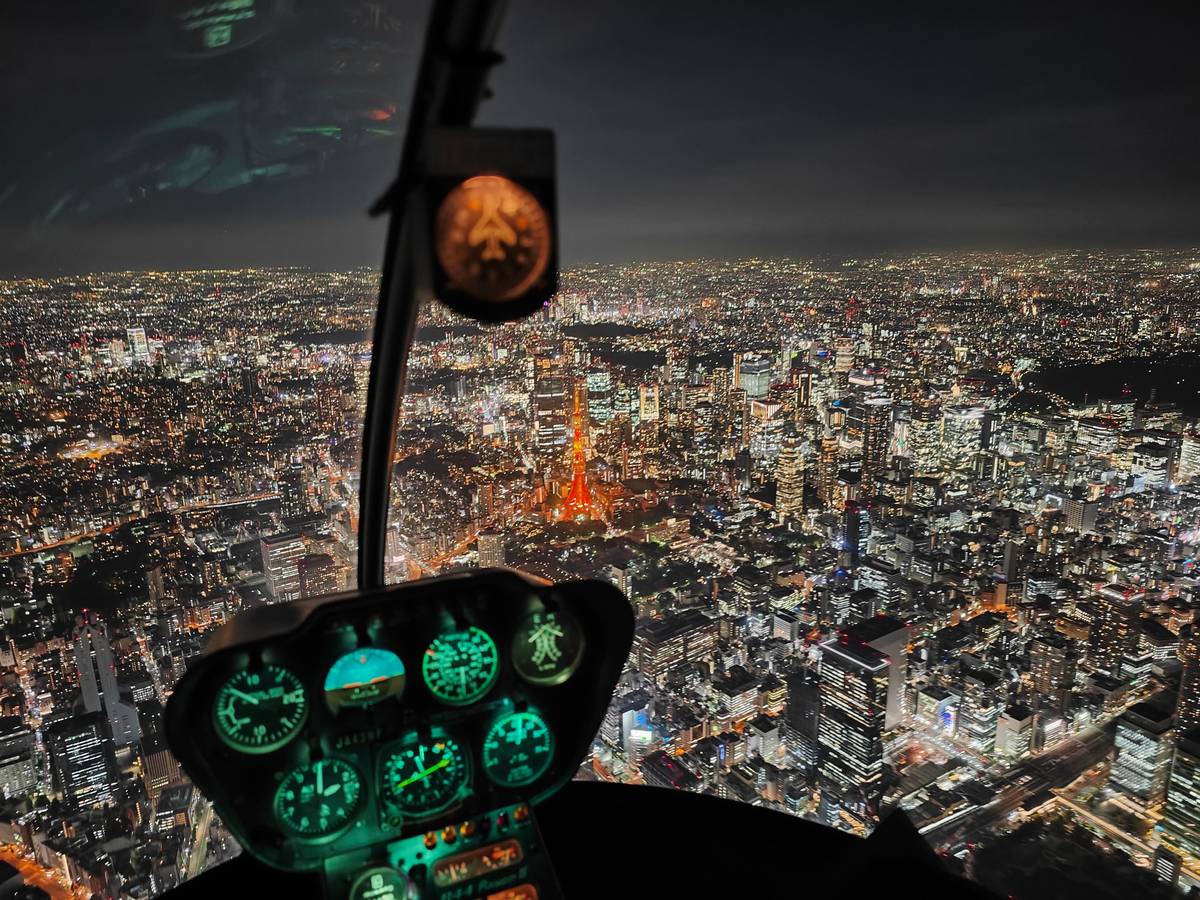
From Tokyo · 30 min
from $2,865
View tourBy the way · the story
The heart of the evening is an original story, Reiroudaiguren. It follows a girl torn from her childhood friend and sold to a brothel because of her parents' debt, and the theater tells it as a story of love and friendship among people who keep hope in hard conditions.
It was written for the theater by Michiru Egashira, a screenwriter known for popular television dramas. The original music comes from the violinist Ryoma of the Ryoma Quartet and the shakuhachi player Masaki Nakamura of Sakura Men, a Western string and a Japanese bamboo flute side by side.
You do not need to know the plot in advance, but reading a short outline helps you notice more. Watch how a fan, a sleeve or a held pose carries meaning, and how the samurai scenes break the tension just when the story turns dark.
Gallery
By the way · who is on stage
The oiran is the most dazzling figure. In Edo the highest-ranking courtesans of the pleasure quarters were called oiran, while the Shimabara and Shinmachi quarters called their top rank tayu. On stage she arrives slowly, in towering hairpins and heavy robes, and the room goes quiet.
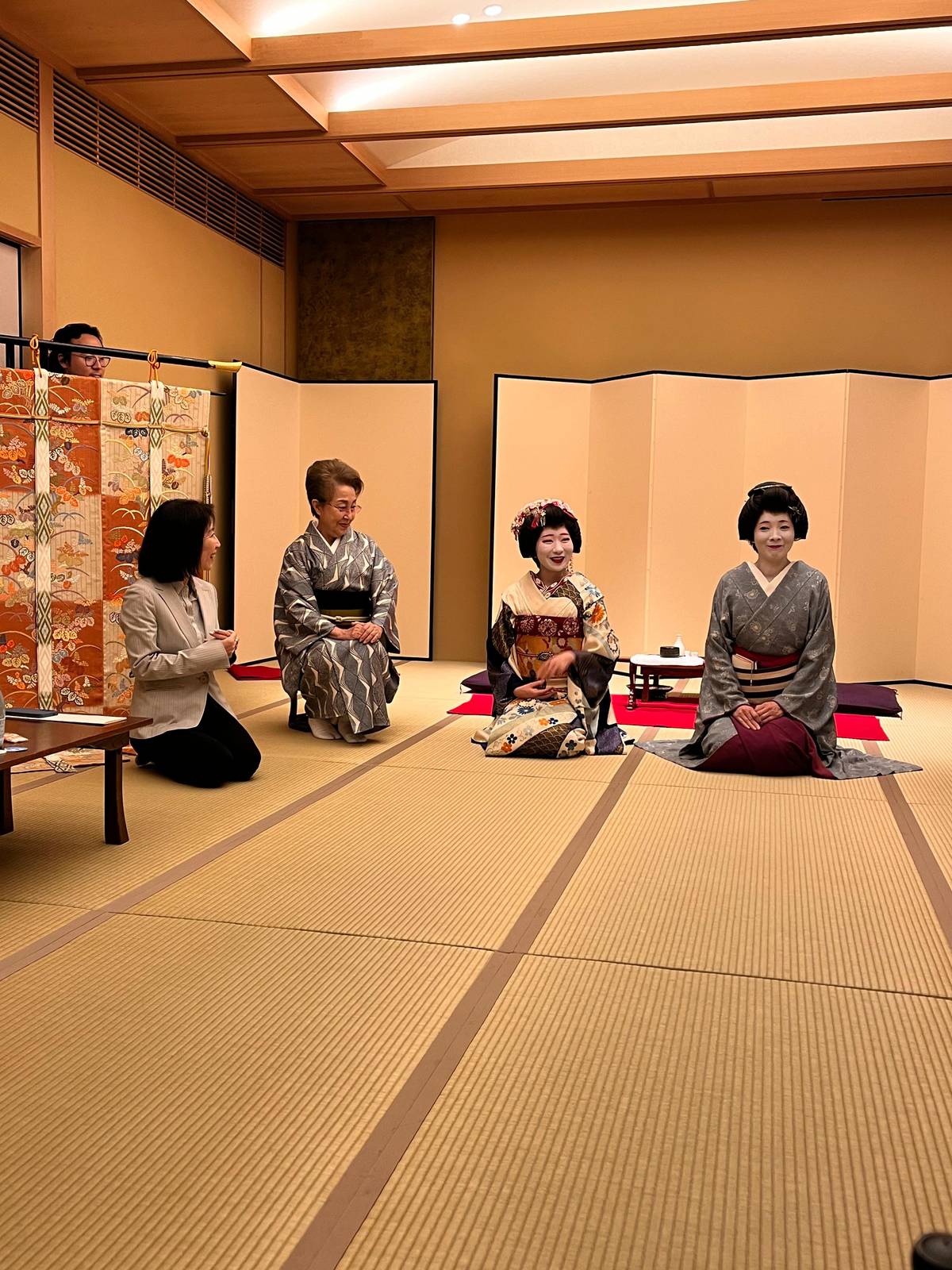
The geisha brings grace: fans, gentle turns and the quieter scenes between the big numbers. The dance itself draws on nihon buyo, a traditional performing art that grew out of kabuki. Kabuki in turn began as a dance, when Izumo no Okuni performed it in Kyoto in 1603.
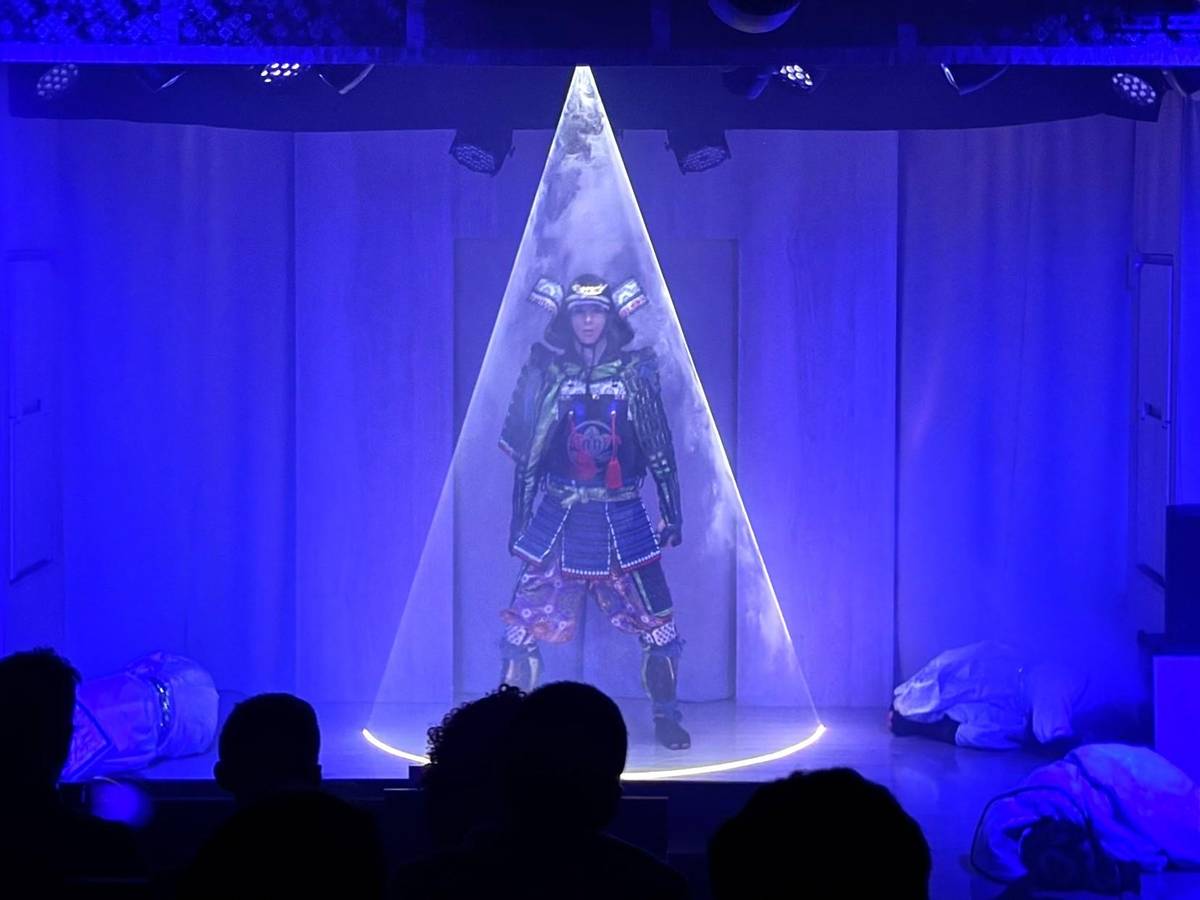
The samurai brings the action, with sword fights, armor and drums. Together they make a show that moves between stillness and spectacle, which is why an hour passes so quickly.
Tonight in Asakusa
Pick your seat and show time; free cancellation up to 24 hours before.
By the way · seats and drinks
The theater's price list names four seat types: Standard, Premium, VIP1 and VIP2. The Standard seat includes 1 drink, while Premium and both VIP seats come with all-you-can-drink. Because the room is small, every seat is close to the stage; the upgrades are about comfort, drinks and extras.
The ticket on this site starts with a standard seat and a drink. Other options put you in the front row with a photo service or on a rear VIP sofa with a photo, and some add drinks before the show and a glass of the theater's own sparkling wine. Seats are assigned in the order of reservation, so booking early helps.
Children up to 3 go free, and ages 4 to 11 pay a child rate for Regular and Premium seats. If you bring an infant, add an infant reservation when you book.
Weather
The show is indoors, so it plays in any weather; the table helps you dress for the walk through Asakusa.The show is indoors, so it plays in any weather; the table helps you dress for the walk through Asakusa.
By the way · times and arrival
Each business day has two shows. Doors open at 16:00 for the 17:00 show, which ends by 18:00, and at 19:00 for the 20:00 show, after which the theater closes at 22:00. On Oiran Night evenings the second show starts at 7:50 PM. The theater is open Tuesday through Sunday.
Your voucher shows a time, and the performance begins 1 hour after it. The theater asks you not to arrive before that time: the hour is for seating, ordering and settling in. Planning your day around the voucher time, not the general schedule, is the one rule that matters.
The entrance is on the first floor of a building on Sushiya-Dori Street, and the theater is upstairs at 2F 1-12-10 Asakusa. The stairs are steep and there is no elevator, but the staff are happy to help anyone who needs it.
Where it began
Kabuki began as a dance in old Kyoto.
Izumo no Okuni is considered the founder of kabuki, after performing the kabuki dance in Kyoto in 1603. The dance cabaret in Asakusa still borrows her stage language.
By the way · food on the side
The theater's menu is made for nibbling during the show: mini grilled onigiri, a hand-sized curry rice gratin, margherita pizza, takoyaki, fried chicken, edamame, steamed buns, plant-based nuggets, Japanese cheese and chocolate. Many items are marked for vegetarian, vegan or gluten-free diets.
Food and extra drinks are not part of the ticket, so treat them as a small extra on the night. Guests who ate there describe the food as good and fairly priced, a handy option if a day of sightseeing left no time for lunch.
For a full dinner, walk to Hoppy Street, lined with old-fashioned izakaya, lanterns and outdoor seats. Eat there before the late show or after the early one, and the evening becomes temple, stage and izakaya in one easy loop.
The practical part
By the way · club or theater
Search for Japanese cabaret and you will also see Japanese cabaret clubs. Those are hostess clubs, kyabakura, where hostesses keep guests company over drinks; they are regulated more strictly than snack bars. It is an adult, conversation-based evening, usually in Japanese, and a completely different thing from a stage show.
The nightlife districts where such clubs cluster also attract touts. The Tokyo Metropolitan Police Department warns that street hawkers in Kabukicho may lead visitors to places that rip them off, and advises not to follow them. A theater ticket with a seat and a start time avoids all of that.
If you came for costumes, dance and a story, you are in the right place. The dance cabaret is open to young and old, locals and visitors, and nobody will ask you for anything beyond your ticket and your drinks order.
A dance show, at least at Kaguwa. Performers dressed as oiran, geisha and samurai perform an hour-long show on a stage.
No. A cabaret club, kyabakura, is a hostess bar where hostesses chat with guests.
About an hour. The performance is an hour long; the listing counts about 2 hours in total.
17:00 and 20:00. Doors open an hour earlier, at 16:00 and 19:00.
Tuesday to Sunday. The theater is open from 16:00 to 22:00 on those days.
Yes, with the Standard seat. Premium and VIP seats come with all-you-can-drink.
Yes. Children up to 3 go free; ages 4 to 11 pay a child rate.
In Asakusa, on Sushiya-Dori. The address is 2F 1-12-10 Asakusa, Taito-ku, a 2-minute walk from Asakusa Station.
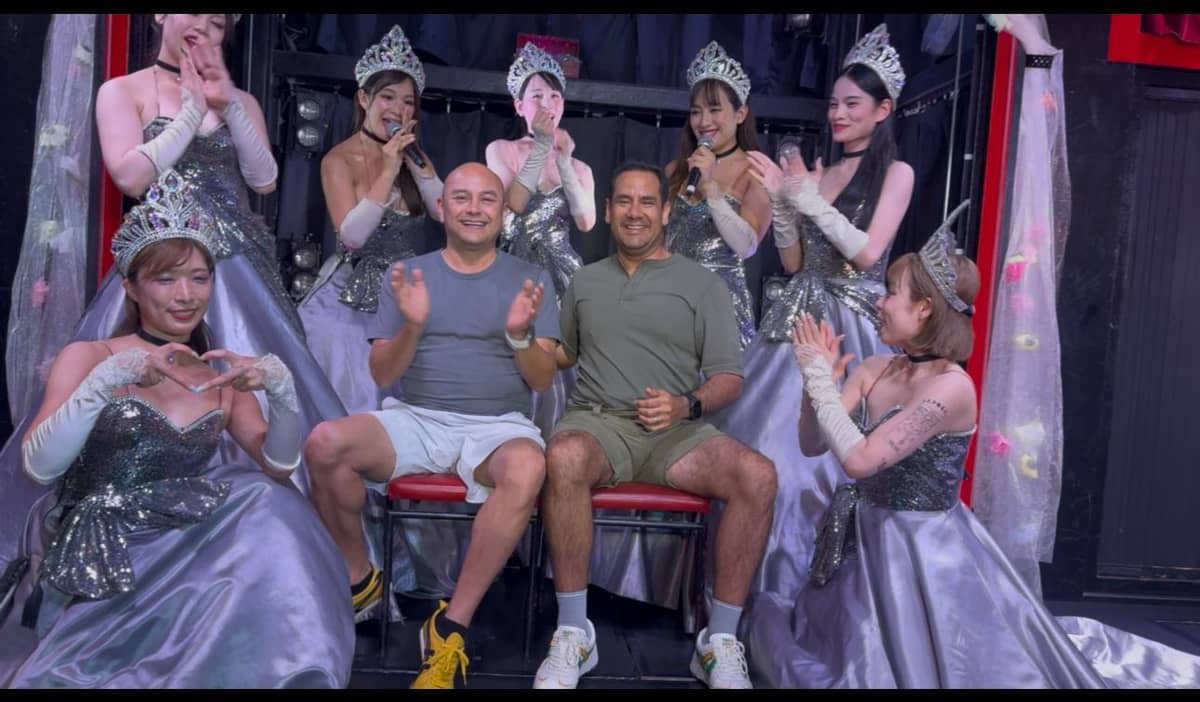
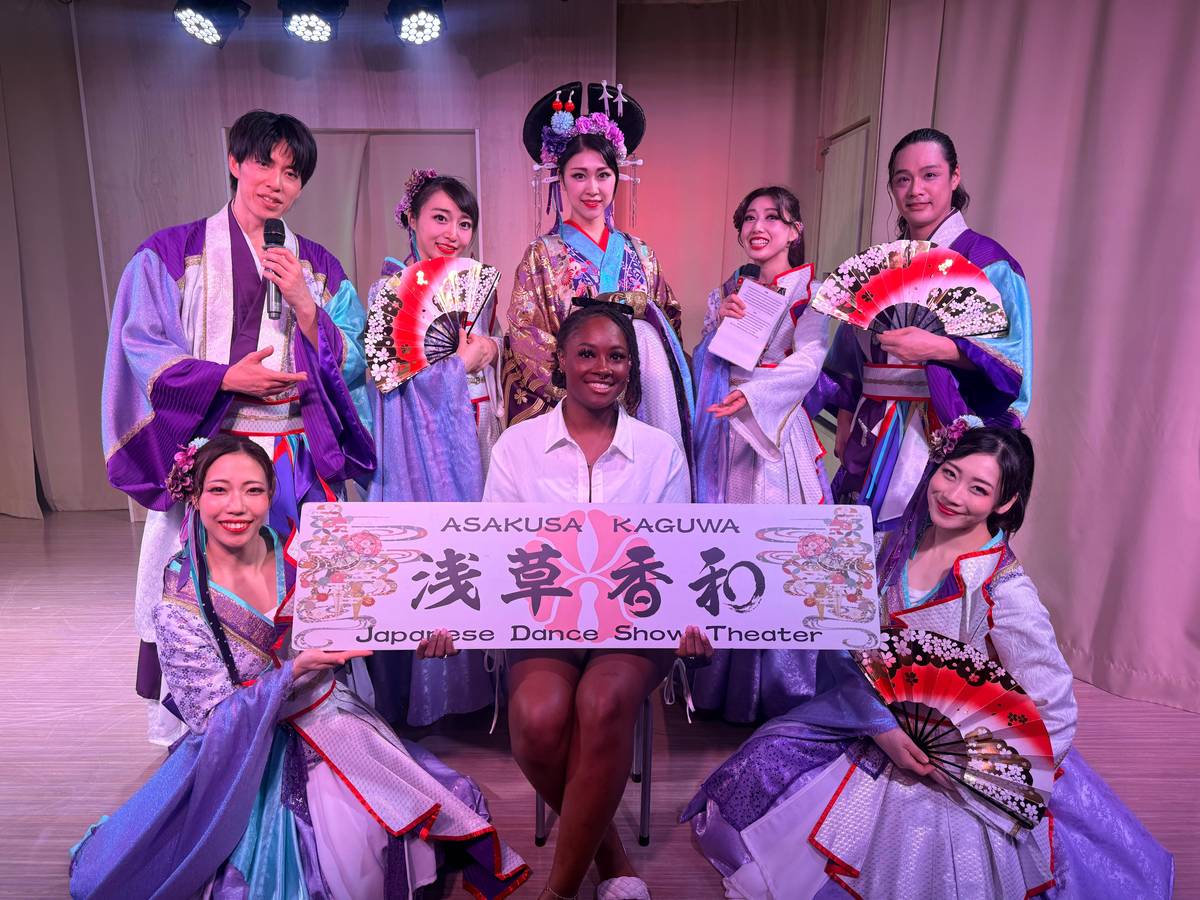
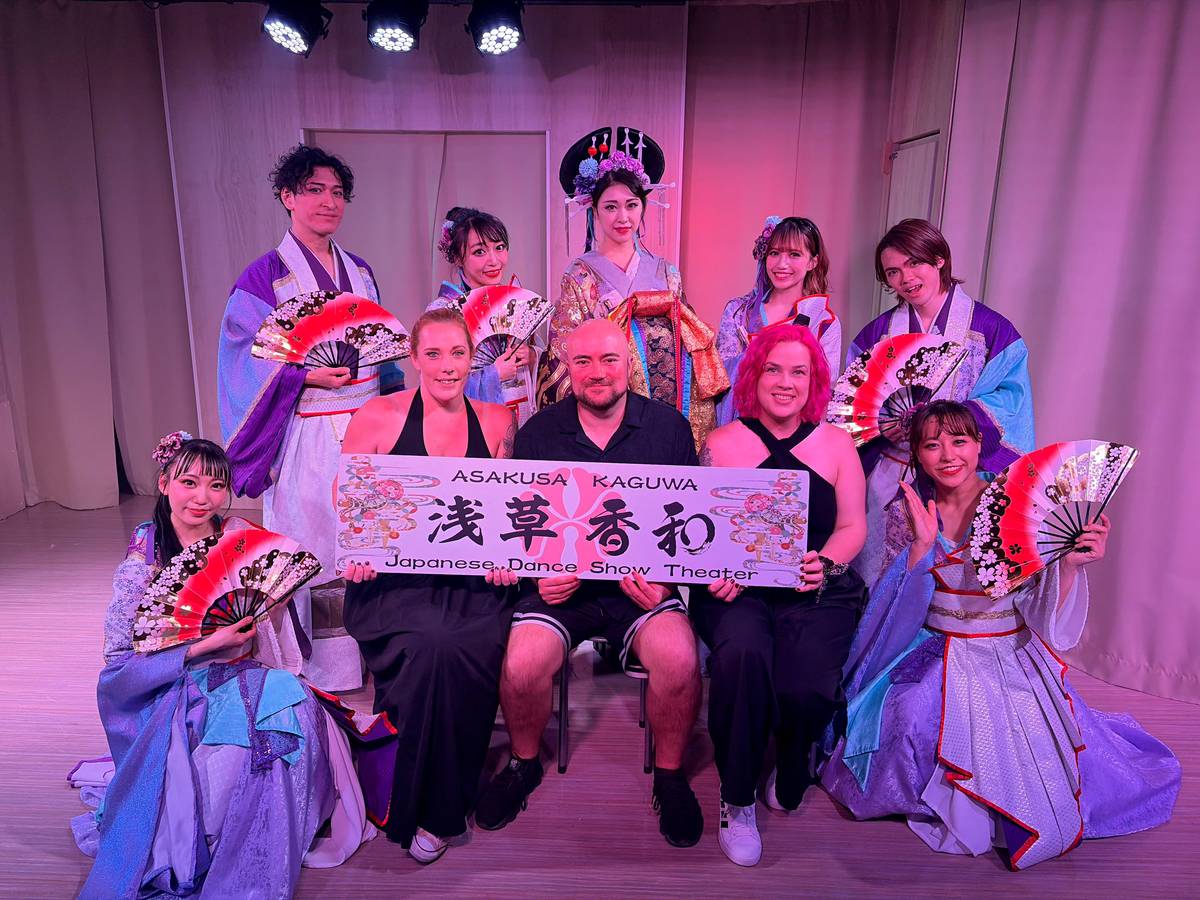
Yes, after the show. There is a photo time with the performers after the curtain call.
Cancel free up to 24 hours before. You can also reserve now and pay later.
By the way · before and after
Start at Kaminarimon, the gate with the giant red lantern and the symbol of Asakusa, and walk the shopping street up to Senso-ji. The temple was founded in 628, and its crimson hall was rebuilt after the Second World War. In the late afternoon the light is soft and the crowds begin to thin.
Getting here is easy. The theater publishes walking directions from the Tsukuba Express Asakusa Station and from Tawaramachi on the Ginza Line. The Ginza Line has its own history: the stretch between Asakusa and Ueno opened in 1927 as the first subway in Asia.
After the show, see the temple lit up, sit outside on Hoppy Street, or walk to the Sumida River for a view of Tokyo Skytree, which rises 634 meters on the far bank. Asakusa is at its most atmospheric after dark.
Book now, cancel for free →Book now
Price figures straight from GetYourGuide, exactly as shown there, none of it written by us.
Frequently fully booked 6 days in advance
By the way · who it suits
The show suits almost any traveler: families with children, couples, friends and people traveling alone. It is non-verbal and meant for everyone, young and old. Reviewers who went solo describe a friendly room, and the photo time with the cast after the curtain call makes it personal.
A few honest caveats. The stairs are steep and there is no elevator, so check with the theater if anyone in your group has trouble with stairs. Some guests find other spectators' phones distracting; booking early gets you a better seat. And it is a modern, theatrical take on tradition rather than a classical kabuki performance.
If that sounds like your kind of evening, book with free cancellation up to 24 hours before and pay later. Then you have a seat, a start time and a story waiting for you in Asakusa.
The rating
Excellent
4.8
2,684 verified reviews on GetYourGuide
The bars are built from the 38 latest reviews in our records; on GetYourGuide the best come first. The overall score across all 2,684 reviews is 4.8.
Before you go
Reserve now and pay later, with free cancellation up to 24 hours before the show.
Frequently fully booked 6 days in advance